Pregnancy and the months after birth are expensive and, for too many families, medically risky, the United States has stubbornly high maternal mortality compared with peer countries. A range of grants and assistance programs exist to improve maternal health and ease the cost. This guide covers the programs that help mothers directly and the organizations funding better care.
Help That Reaches Mothers Directly
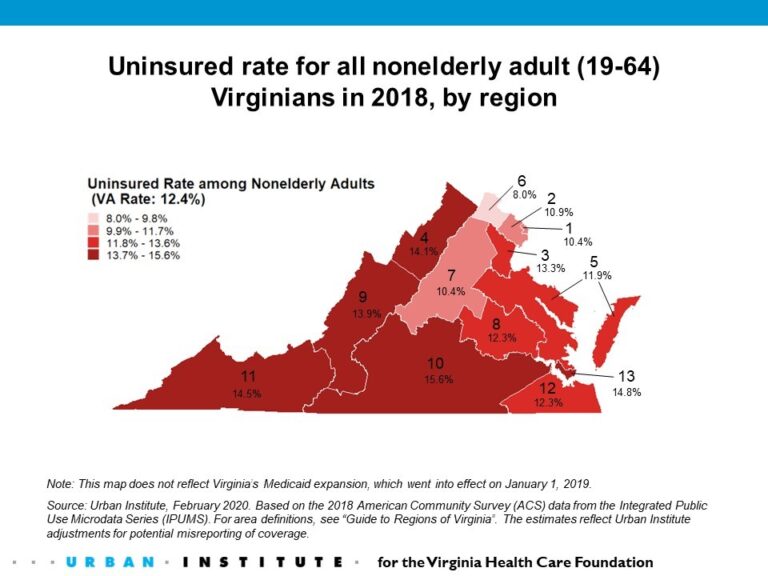
Several public programs support pregnant women and new mothers. Medicaid covers a large share of U.S. births and, in a growing number of states, now extends postpartum coverage to a full year. WIC (the Special Supplemental Nutrition Program for Women, Infants, and Children) provides nutrition support, and HRSA’s Healthy Start program funds local services in communities with high infant mortality.
If you’re pregnant and uninsured or struggling, applying for Medicaid is the first step, and your local health department or a Healthy Start site can connect you to prenatal care and support at little or no cost.
Organizations Funding Maternal Health
Beyond government programs, nonprofits drive much of the progress. March of Dimes funds research and programs to prevent premature birth and improve outcomes, and Every Mother Counts works to make pregnancy and childbirth safe. Hospital and community foundations frequently fund maternal-health initiatives, especially those addressing racial disparities in outcomes.
These groups usually fund clinics, researchers, and community programs rather than individuals, but the services they support are exactly what many mothers can access for free.
Addressing the Disparities
Maternal health isn’t equal. Black women in the U.S. die from pregnancy-related causes at roughly three times the rate of white women, a gap driven by access, bias, and chronic-condition burden rather than income alone. Many of today’s grants and programs specifically target that disparity through community-based care, doula support, and better screening.
If this is your situation, seek out programs and providers experienced with the concerns you have, and don’t hesitate to advocate for yourself, persistent symptoms deserve to be taken seriously.
Doulas, Home Visiting, and Community Support
Some of the most effective maternal-health help isn’t a check, it’s support. A growing number of Medicaid programs now cover doula services, since doulas are linked to better birth outcomes, and free or low-cost home-visiting programs send nurses or trained visitors to support new parents. Community health workers and peer-support programs, often funded by the grants described above, help families navigate care and stay connected.
If you’re pregnant or newly postpartum, ask your provider or local health department what home-visiting, doula, and support programs are available near you. Many are free and genuinely helpful, especially for first-time or higher-risk parents.
Help With Everyday Costs
Money worries add stress at exactly the wrong time, so it’s worth knowing what eases the everyday load. WIC provides nutrition support and breastfeeding help; SNAP helps with groceries; and the Child Tax Credit and, in some states, paid family leave provide income support around a birth. Diaper banks and local nonprofits help with basic baby supplies, which insurance never covers.
Your hospital’s social worker and your local health department can connect you to these programs, and dialing 211 surfaces nearby help. Stacking a few of these can meaningfully reduce the financial pressure of a new baby.
Watch for Postpartum Warning Signs
Financial help matters, but so does knowing when to seek care. A dangerous share of maternal deaths happen after birth, not during it, so postpartum symptoms deserve real attention. Severe headache, heavy bleeding, trouble breathing, chest pain, a fever, or thoughts of harming yourself or your baby are all reasons to seek care urgently, don’t wait or assume it’s normal.
If a provider dismisses a symptom that worries you, it’s okay to insist or seek a second opinion. Extended postpartum Medicaid coverage in many states now makes it easier to get that follow-up care through the first year.
Common Questions
Are there grants that pay a mother’s medical bills directly? Rarely as cash. The direct help comes through programs like Medicaid, WIC, and Healthy Start, which cover care and support. Foundation grants usually fund clinics and programs, so the practical path is enrolling in those programs and using the free services they support.
Does Medicaid cover pregnancy if I’m uninsured? Often, yes. Medicaid covers a large share of births, with higher income limits for pregnant women, and many states now extend coverage for a full year postpartum. Apply as early as possible through your state Medicaid program.
Where do I start if I’m pregnant and can’t afford care? Apply for Medicaid, contact your local health department, and look for a HRSA-funded health center or Healthy Start program nearby. Dialing 211 can also connect you to local maternal-health resources.
Does Medicaid cover care after the baby is born? Increasingly, yes. Many states have extended Medicaid postpartum coverage to a full year after birth, up from the old 60-day limit, which helps new mothers get follow-up care during a period when serious complications can occur. Coverage rules vary by state, so confirm your state’s postpartum coverage with your Medicaid program or a local health center.