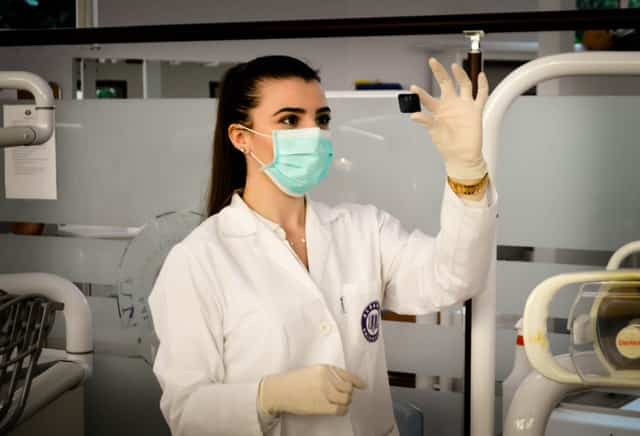
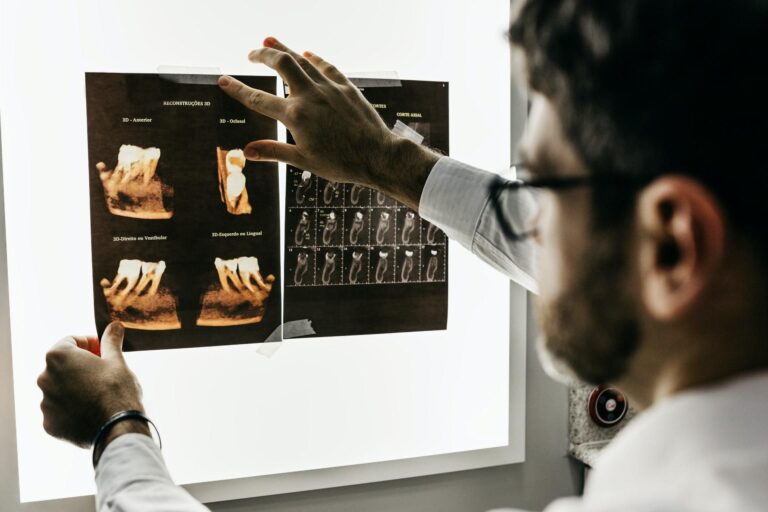
Physicians are uniquely positioned to drive innovation, because they see firsthand where care falls short. Their frontline experience turns real problems into ideas for better tools, processes, and treatments. Encouraging that role benefits patients and the whole system.
Innovation does not require being an inventor. It often means adopting, improving, and championing better ways of working.
Stay Open and Evolve
A willingness to change is the starting point for innovation. Keeping an open mind toward new evidence, tools, and workflows helps physicians improve steadily. Clinging to old habits simply because they are familiar holds care back.
Evolving with the field is part of good medicine. Curiosity is one of a physician’s most valuable traits.
Spreading knowledge accelerates progress across a whole community. Teaching colleagues, publishing findings, and mentoring trainees turn one person’s insight into many people’s practice. Education multiplies the impact of any single innovation.
Sharing what works, and what does not, saves others time and improves care. It is innovation at the level of the whole team.
Improve Processes and Policies
Not all innovation is high-tech; better processes matter enormously. Streamlining workflows, reducing waste, and advocating for smart policies improve safety and efficiency. Physicians who engage in these changes shape how care is actually delivered.
Small process improvements compound over time. They often deliver more benefit than a flashy new device.
Focus on Patient-Centered Solutions
The best innovations solve real problems for patients. Designing tools and services around patient needs, convenience, and understanding leads to solutions people actually use. Involving patients in the process keeps innovation grounded.
Consumer-oriented thinking has transformed other fields, and it is doing the same in healthcare. Keeping patients at the center is the surest guide.
Collaborate Across Disciplines
Innovation thrives at the intersection of fields. Partnering with engineers, data scientists, designers, and industry brings new capabilities to medical problems. Physicians provide the clinical insight that makes these collaborations valuable.
Working across disciplines turns ideas into reality. It is how many of the biggest advances happen.
Understand the Business Side
Good ideas need viable models to reach patients. Learning the basics of how innovations are funded, tested, and scaled helps physicians move ideas from concept to practice. Understanding regulation and reimbursement is part of this.
Clinical value and practical viability must go together. Physicians who grasp both are powerful innovators.
Learning From Other Industries
Healthcare can borrow proven ideas from fields like aviation, technology, and manufacturing. Approaches to safety, checklists, human-centered design, and continuous improvement have all transferred successfully into medicine. Looking outside the field often sparks solutions that would not arise from within it. Physicians who stay curious about other industries bring fresh thinking to old problems.
Overcoming Barriers
Innovation in medicine faces real obstacles, including regulation, cost, and resistance to change. Understanding these barriers, rather than being discouraged by them, helps physicians navigate them. Starting with small pilots, gathering evidence, and building support address concerns step by step. Persistence and patience turn promising ideas into adopted practice.
The Role of Data
Data is increasingly central to medical innovation. Thoughtful use of clinical data, analytics, and emerging tools can reveal patterns and improve decisions. Physicians who understand both the promise and the limits of data help ensure it is used responsibly. Pairing clinical judgment with good data leads to better, safer innovation.
Starting Small
Big changes usually begin as small experiments. Testing an idea with one clinic, one workflow, or one small group builds evidence and confidence before scaling. Small starts lower risk and make it easier to learn and adjust. Many major improvements trace back to a modest, well-run pilot.
Fostering an Innovative Culture
Innovation flourishes in environments that welcome new ideas and tolerate smart experimentation. Encouraging team members to suggest improvements, and responding to those ideas seriously, unlocks frontline creativity. A culture that treats failure as learning, within safe limits, helps good ideas emerge. Physicians who nurture this culture multiply their own impact.
Keeping Safety First
New is not always better, so innovation must be paired with rigorous attention to safety. Testing changes carefully, monitoring for unintended effects, and grounding decisions in evidence protect patients. Responsible innovation improves care without introducing new risks. Balancing bold ideas with careful validation is the mark of a thoughtful innovator.
Bringing Ideas to Life
An idea only helps patients once it is put into practice, and physicians are well placed to drive that final step. Championing a promising change, gathering the right partners, and persisting through obstacles turn concepts into real improvements. Documenting results builds the case for wider adoption. The combination of clinical insight and determination is what carries innovation from the whiteboard to the bedside.
Medical Innovation FAQs
Do I need to invent something? No; adopting, improving, and championing better methods is innovation too.
What is the physician’s advantage? Frontline experience reveals real problems worth solving.
How do ideas reach patients? Through collaboration, evidence, and understanding how solutions are funded and scaled.
Scope of practice, education, licensing, responsibilities, and workplace policies vary by jurisdiction, role, and employer.