Eyeglasses are one of those benefits where Medicaid coverage splits sharply between children and adults. For a child, glasses are covered when needed. For an adult, it depends entirely on your state, and the range runs from a free pair every year to no adult coverage at all. This guide explains the rules and how to get glasses through Medicaid. Coverage varies by state, so verify current details before relying on them.
The Short Answer
For children under 21, yes: eyeglasses are covered under EPSDT when needed, including replacements. For adults, glasses are an optional benefit. Many states cover a basic pair, often with frequency limits or after cataract surgery, but coverage ranges widely and some states cover little or none.
Children: Glasses Are Covered
Under EPSDT, states must cover medically necessary eyeglasses for enrollees under 21, along with the exams that lead to them, even if the same items are not covered for adults in that state. Just as importantly, replacements for lost or broken glasses are generally available for children as medically necessary, which matters for active kids who go through glasses quickly.
Adults: An Optional Benefit
For adults, eyeglasses are explicitly an optional Medicaid benefit, so whether you get them depends on your state. Where adults are covered, states typically pay for standard frames and lenses, often limited to one pair every one to two years. Some states cover glasses only after cataract surgery, or only when your prescription changes by a minimum amount. Designer frames and premium lens upgrades, such as progressive lenses or special coatings, are usually not covered, so those costs would be out of pocket.
Contact Lenses
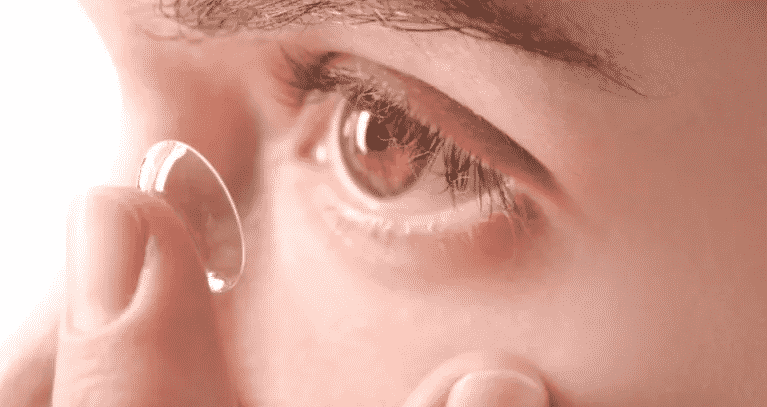
Contact lenses are usually covered only when medically necessary, for example for certain eye conditions where glasses will not work, rather than for cosmetic preference. The rules vary by state, so if you need contacts for a specific medical reason, ask your eye doctor to document it for prior authorization.
How to Get Glasses Through Medicaid
Ask your state Medicaid program or your managed care or vision plan about the eyeglass benefit, the frame allowance, and how often you can get new glasses. Use an in-network optical provider, and if your plan uses a specific eyewear vendor, go through them to avoid a denied claim. If your state does not cover adult glasses, community programs and organizations like the Lions Club sometimes help.
How to Check and Where to Get Glasses
Call the member-services number on your card to confirm whether adult glasses are covered, the frame allowance, and how often you can get new ones, and ask whether a separate vision vendor handles the benefit. Use an in-network optical provider so the claim is paid. If your state does not cover adult glasses, community programs and organizations like local Lions Clubs often provide free or low-cost glasses, and some retailers offer low-cost basic pairs.
What Frames and Lenses Are Covered
When Medicaid covers glasses, it usually covers a basic pair. Upgrades may cost extra.
Coverage typically includes standard frames and lenses that meet your prescription. Designer frames or premium lens features may not be fully covered. You could pay the difference for an upgrade. Ask your provider which options are covered before choosing.
Replacement and Repair Coverage
Glasses can break or prescriptions can change. Medicaid may cover replacements within limits.
Many states cover a new pair on a set schedule, or sooner if your prescription changes significantly. Coverage for lost or broken glasses varies. Children’s coverage is often more generous. Ask your state Medicaid plan about replacement rules.
Medicaid and Glasses FAQs
Will Medicaid pay for my child’s glasses?
Yes, when medically necessary under EPSDT, including replacements as needed.
Can adults get glasses through Medicaid?
In many states yes, but it is optional and varies. Some states cover glasses only after cataract surgery or with limits.
How often can I get new glasses?
Typically every one to two years for adults where covered, and as medically necessary for children. Check your state.
Are contact lenses covered?
Usually only when medically necessary, not cosmetic, and the rules vary by state.
Generally no. Only standard frames and lenses are covered, so upgrades are out of pocket.
What if my state does not cover adult glasses?
Community programs and organizations such as local Lions Clubs sometimes provide free or low-cost glasses. Ask your eye doctor for local options.
What if my state does not cover adult glasses?
Community programs and organizations such as local Lions Clubs often provide free or low-cost glasses. Ask your eye doctor about local options.
How often can I replace my child glasses?
Under EPSDT, replacements are generally covered as medically necessary, which matters for active children who break or lose glasses.
Are contact lenses covered instead of glasses?
Usually only when medically necessary, for conditions where glasses cannot correct your vision. Otherwise glasses are the standard covered eyewear where a state offers an adult benefit.
Will Medicaid cover an eye exam to update my glasses prescription?
For children, yes under EPSDT. For adults, routine exams are optional and vary by state, so confirm whether your state covers them and how often.
Eligibility, benefit amounts, covered services, and application procedures can vary by state and year, so verify current agency rules.