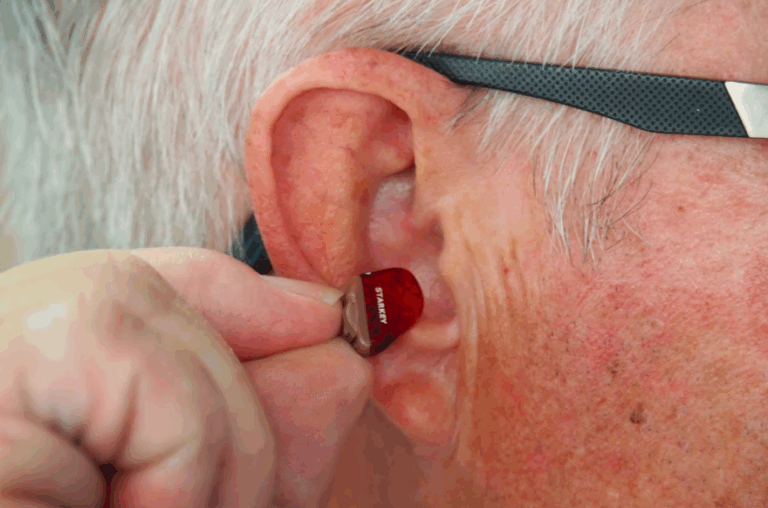
Original Medicare does not cover hearing aids, and for many people that comes as an unwelcome surprise. It does cover some related exams, and some Medicare Advantage plans add a hearing benefit, so the full picture is more nuanced than a flat no. This guide explains exactly what Medicare covers, what it does not, and how to get help with the cost. Coverage and prices change, so verify current details before relying on them.
The Short Answer
Original Medicare (Parts A and B) does not pay for hearing aids or for the exams to fit them, so you pay the full cost yourself. It does cover certain diagnostic hearing and balance exams, and some Medicare Advantage plans include a hearing-aid benefit. Over-the-counter hearing aids, now available without a prescription, are another out-of-pocket option that is far cheaper than it used to be.
What Original Medicare Does Not Cover
Under Original Medicare you pay 100% for hearing aids themselves and the exams to fit them. There is no Part A or Part B benefit for the devices. This is a longstanding gap, and while Congress has debated adding hearing coverage to Medicare, it is not law, so do not count on it.
What Original Medicare Does Cover
Part B covers diagnostic hearing and balance exams when your doctor or provider orders them to decide whether you need medical treatment, for example to investigate dizziness or a balance problem. After the Part B deductible, about $283 in 2026, you pay 20% of the Medicare-approved amount, plus a possible hospital copay in an outpatient setting. Separately, you can see an audiologist once every 12 months without a doctor’s order for non-acute hearing conditions like gradual age-related loss. Medicare also covers surgically implanted devices such as cochlear implants when medically necessary, because those are treated as prosthetics rather than hearing aids.
The Medicare Advantage Angle
Many Medicare Advantage plans offer a routine hearing benefit that Original Medicare lacks, including a fitting exam and an allowance toward hearing aids, usually through a specific vendor network. The allowance amount, how often you can get new aids, often once every one to three years, and which brands are covered all vary widely by plan, so read the plan’s Evidence of Coverage before assuming.
Over-the-Counter Hearing Aids
Since 2022, adults with perceived mild-to-moderate hearing loss can buy over-the-counter hearing aids without a prescription or exam, sold at pharmacies, retailers, and online. They are not covered by Medicare, but prices have dropped sharply, often to a few hundred dollars, making them the most affordable route for many people.
How to Get Help With the Cost
Compare Medicare Advantage plans’ hearing benefits at Medicare.gov’s plan finder, and call plans directly about their allowance and vendor network. Consider over-the-counter aids for mild-to-moderate loss. Check whether you qualify for help through Medicaid (which covers hearing aids in some states), the VA if you are a veteran, or charities like the Miracle-Ear Foundation and local Lions Clubs. Your free State Health Insurance Assistance Program (SHIP) can help you compare options at no cost.
How to Compare Medicare Advantage Hearing Benefits
If a hearing benefit matters to you, compare Medicare Advantage plans carefully rather than assuming they are all alike. Look at the allowance amount toward hearing aids, how often you can get new ones, whether you are limited to a specific vendor or brand tier, and any copays for the fitting and follow-up visits. Because these plans change every year, review the benefit during the annual enrollment period even if you are happy with your current plan. The Medicare Plan Finder lets you compare hearing benefits side by side, and your free State Health Insurance Assistance Program counselor can walk through the options at no cost.
How Medicare Advantage May Help
Original Medicare generally does not cover hearing aids. But Medicare Advantage plans can.
Many Advantage plans include a hearing benefit, sometimes covering exams and hearing aids with limits. Coverage and costs vary a lot by plan. If hearing aids matter to you, compare Advantage plans during open enrollment. Read the hearing benefit details before choosing.
Affordable Options If You Pay Yourself
If you are paying out of pocket, costs have come down. New options make hearing aids more affordable.
Over-the-counter hearing aids are now available for mild to moderate hearing loss, at lower prices. Some warehouse clubs and clinics offer lower-cost devices. Ask an audiologist which option fits your hearing needs and budget. Free hearing screenings are widely available too.
Medicare and Hearing Aids FAQs
Does Medicare ever pay for hearing aids?
Not Original Medicare. Only some Medicare Advantage plans, or other coverage such as the VA, Medicaid, or some retiree plans.
Will Medicare pay for a hearing test?
Yes. Part B covers a diagnostic hearing and balance exam when a provider orders it, with 20% coinsurance after the deductible, or once a year directly from an audiologist for non-acute hearing loss.
Are over-the-counter hearing aids covered?
No, you pay out of pocket, but they are generally much cheaper than prescription hearing aids.
Does Medicare cover cochlear implants?
Yes, when medically necessary. These are covered as prosthetic devices, unlike conventional hearing aids.
How do I get a hearing benefit through Medicare Advantage?
Check the plan’s hearing benefit, use its designated provider or vendor, and confirm the allowance amount and how often you can get new aids.
Can I get help comparing plans?
Yes. Your free State Health Insurance Assistance Program counselor can compare hearing benefits with you, and the Medicare Plan Finder shows them side by side.
Does a Medigap policy help with hearing aids?
No. Medigap only helps with cost-sharing on Medicare-covered services, and hearing aids are not covered by Original Medicare.
Eligibility, benefit amounts, covered services, and application procedures can vary by state and year, so verify current agency rules.