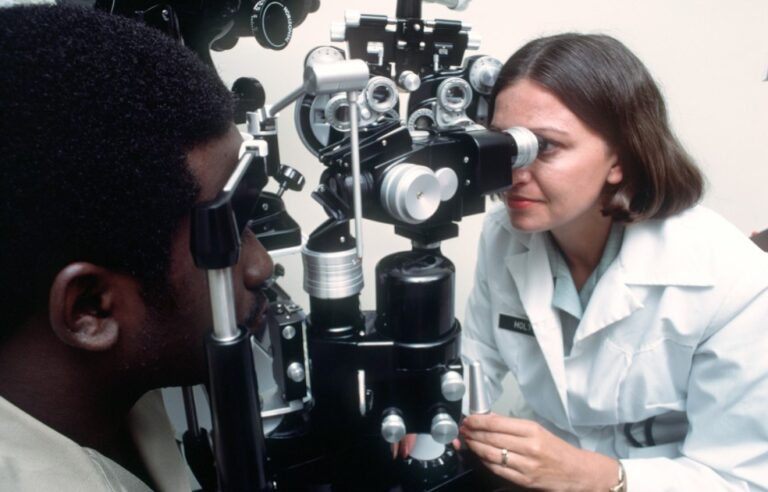
Regular eye exams are important for your vision and overall health, but without insurance the cost can make people put them off. The good news is that eye exams are often more affordable than expected, and low-cost options exist. Knowing the typical prices and where to find deals helps you get the care you need. This guide covers costs and money-saving options.
An eye exam is usually an affordable form of preventive care. Several options make it even more accessible.
Typical Costs
Without insurance, a basic eye exam commonly costs somewhere in the range of roughly fifty to one hundred fifty dollars, though it can be higher at some providers. Retail optical chains and stores often offer lower prices, while an exam with an ophthalmologist may cost more. The price can also depend on the tests included. Asking for the cost upfront helps you avoid surprises.
Costs vary by where you go for the exam. Retail providers are often the most affordable.
What Affects the Price
Several factors influence what you pay for an eye exam. The type of provider, your location, and whether the exam includes extra tests like retinal imaging all matter. A routine vision check costs less than a comprehensive medical eye exam. Understanding what is included helps you compare prices fairly.
The provider and the tests included drive the price. Comparing what each offers ensures a fair comparison.
Vision Exam vs Medical Eye Exam
It helps to know the difference between two kinds of exams. A routine vision exam checks your sight and updates your glasses or contacts prescription. A medical eye exam evaluates eye health or diagnoses a condition, and it may be billed differently. Knowing which you need helps you find the right price and provider.
The two exams serve different purposes. Identifying which you need guides your choice.
Where to Find Low-Cost Exams
Several options offer affordable or free eye exams. Retail optical chains frequently run promotions, community health centers offer sliding-scale care, and schools of optometry provide low-cost exams by supervised students. Some nonprofits offer free exams and glasses to those in need. Exploring these options can significantly lower your cost.
Low-cost exams are widely available. A little searching can lead to real savings.
Free Programs and Assistance
For those who cannot afford an exam, assistance programs exist. Organizations offer free eye exams and glasses to eligible people, and some run community screening events. Local health departments and nonprofits can point you to resources. Asking about these programs helps ensure cost does not prevent needed care.
Free options exist for those in need. Reaching out can connect you to help.
Why Regular Exams Matter
Eye exams do more than update a prescription; they can detect serious conditions early. Exams can reveal signs of glaucoma, diabetes, high blood pressure, and other health issues, sometimes before symptoms appear. This makes regular exams a valuable part of preventive care. The modest cost is a worthwhile investment in your health.
Exams protect more than your vision. Catching problems early can protect your overall health.
Saving on Glasses and Contacts
If you need glasses or contacts, there are ways to save beyond the exam. Comparing prices at retail and online sellers, asking for your prescription to shop around, and looking for basic frame options can lower costs. Some programs provide free or discounted eyewear. Separating the exam from the eyewear purchase gives you more control over cost.
Eyewear costs can be managed separately. Shopping around often reveals better prices.
Children’s Eye Exams
Eye exams are especially important for children, since good vision supports learning and development. Some programs and pediatric providers offer free or low-cost vision screening for kids, and Medicaid and CHIP typically cover children’s eye care. Catching vision problems early can make a lasting difference. Ask your pediatrician or school about available screenings.
Children’s vision care is widely available and often covered. Early detection supports learning.
How Often to Get an Exam
How often you need an eye exam depends on your age, health, and vision. Many adults benefit from an exam every year or two, while those with certain conditions may need them more often. Regular exams help track changes and catch problems early. Your eye care provider can recommend a schedule that fits you.
Exam frequency depends on your needs. Regular checks keep your vision and health on track.
Bundling Exam and Eyewear Savings
You can often save by planning the exam and any eyewear purchase together, or deliberately separately. Some retailers discount exams when you buy glasses, while shopping your prescription elsewhere may save on frames and lenses. Comparing both approaches helps you find the lowest total cost. A little comparison shopping can add up to real savings.
Smart planning lowers your total cost. Comparing options is worth the effort.
Eye Exam Cost FAQs
How much is an eye exam without insurance? Commonly about fifty to one hundred fifty dollars, though it varies by provider.
Where can I find a cheaper exam? Retail optical chains, community health centers, and optometry schools often offer lower prices.
Are exams really necessary? Yes; they can detect eye and general health problems early, making them valuable preventive care.
Actual out-of-pocket cost varies by location, provider, insurance terms, financing charges, and the services ultimately required.