Free online medical courses have made health and medical education more accessible than ever, and many even offer certificates. Whether you’re a student, a professional, or simply curious, these courses let you learn from reputable institutions without the cost of formal tuition. Understanding what’s available, and what these courses can realistically do for you, helps you make the most of them. This guide covers where to find them, how certificates work, and who benefits.
Where to Find Them
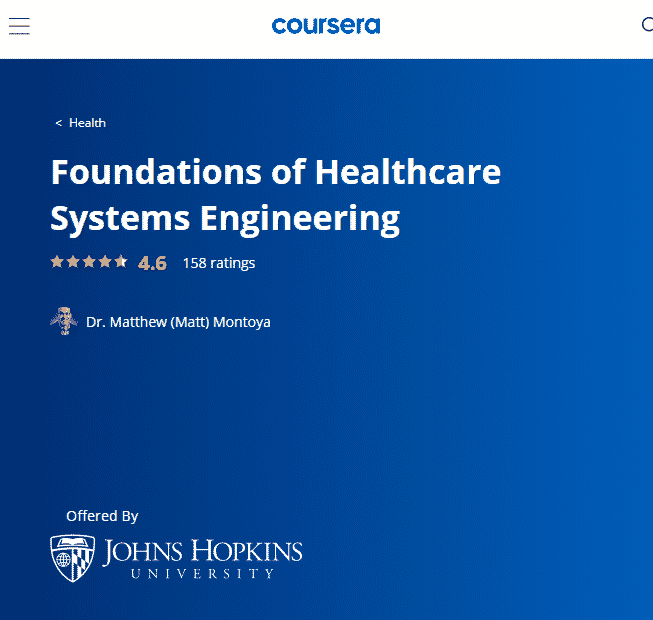
A number of well-known platforms host free medical and health courses. Sites like Coursera, edX, FutureLearn, and others partner with universities and institutions to offer courses on topics ranging from anatomy and public health to specific medical subjects. Some organizations and universities also offer free courses directly. Exploring these platforms reveals a wide range of options to fit different interests and levels.
How Certificates Work
The certificate side has some nuances worth understanding. Many platforms let you take a course for free but charge a fee if you want an official certificate, while some courses offer free certificates or free access with limited features. Reading the details before starting helps you know what you’ll get. If a certificate matters to you, checking the cost and terms upfront avoids surprises.
What These Courses Can Do
It’s important to be realistic about what free courses offer. They’re excellent for learning, exploring a field, building knowledge, and, in some cases, professional development, and a certificate can show initiative. What they generally don’t do is replace a formal degree or license needed to practice medicine. Understanding this distinction helps you use them for the right purposes.
Who Benefits Most
These courses serve a wide range of people. Students exploring healthcare fields, professionals seeking to expand their knowledge, people considering a career change, and curious learners can all benefit. They’re also useful for building foundational knowledge before formal study. Knowing your own goal helps you choose courses that serve it well.
How to Choose a Course
With so many options, a few considerations help you choose well. Look at who offers the course and their reputation, what the course covers and its level, the time commitment, and whether it fits your goals. Reading reviews and course descriptions helps. Choosing a course that matches your interests and needs makes the experience far more rewarding.
Making the Most of Them
To get real value, treat free courses seriously. Setting aside dedicated time, engaging with the material, completing assignments, and applying what you learn all deepen the benefit. A certificate is more meaningful when you’ve genuinely absorbed the content. Approaching these courses with commitment turns free learning into real growth.
Popular Topics Available
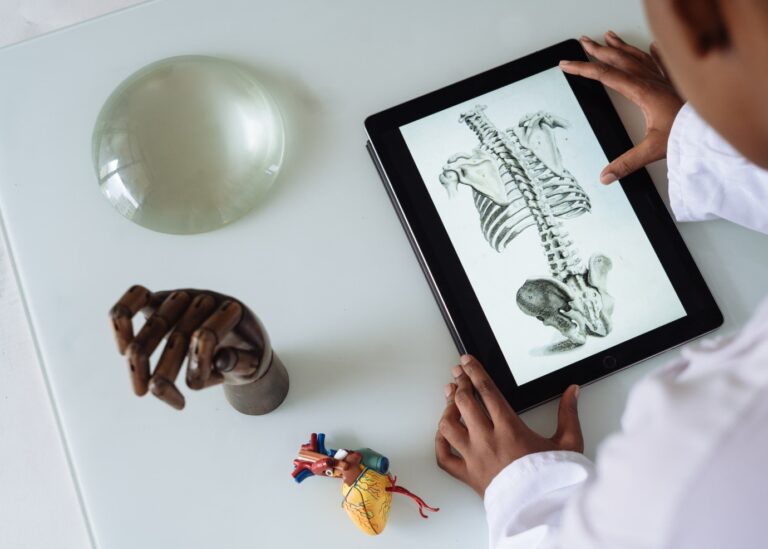
The range of free medical and health courses is genuinely broad. You can find introductions to anatomy and physiology, public health and epidemiology, nutrition, mental health, medical terminology, first aid, and many specific clinical topics. Some are designed for the general public, others for people already in or entering healthcare. This variety means there’s usually something useful whatever your interest or level, from a casual overview to a serious foundation.
The Value of a Certificate
A certificate from a free course can be worth more than it first appears. While it won’t qualify you to practice medicine, it can demonstrate initiative and knowledge on a resume or application, support continuing education in some fields, and give you a sense of accomplishment. Its value depends on the offering institution and your purpose. Understanding what a certificate can and can’t do helps you decide whether paying for one is worthwhile.
Learning at Your Own Pace
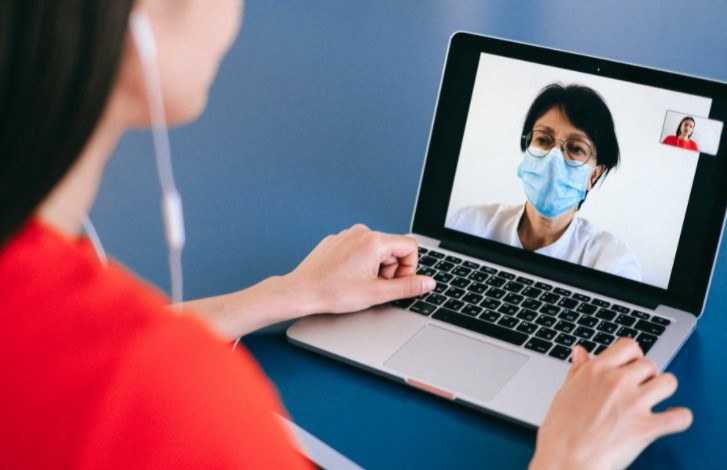
One of the biggest advantages of these courses is flexibility. Many are self-paced or offer generous timelines, letting you fit learning around work, school, or other commitments, and you can often revisit material as needed. This makes education accessible to people who couldn’t attend traditional classes. Taking advantage of that flexibility, while still setting yourself a realistic schedule, helps you actually finish what you start.
The Bottom Line
Free online medical courses with certificates open the door to learning from reputable institutions without the cost of tuition, covering a wide range of health topics for students, professionals, and curious learners alike. They’re excellent for building knowledge and showing initiative, though they don’t replace the formal education and licensing needed to practice. Choosing reputable courses that fit your goals, and engaging with them seriously, turns free learning into real, lasting value.
Learning Beyond the Certificate
While certificates are a nice bonus, the real value of these courses lies in what you learn and how you use it. Applying new knowledge in your work, studies, or daily life, and building on it with further learning, is what makes the effort worthwhile. Some learners use free courses to test interest in a field before committing to formal study. Keeping the focus on genuine learning, rather than just collecting certificates, is what turns these opportunities into meaningful growth.
Common Questions
Where can I find free online medical courses? On platforms like Coursera, edX, and FutureLearn, which partner with universities and institutions.
Are the certificates free? Sometimes; many platforms offer free access but charge for an official certificate, so check the terms first.
Can these replace a medical degree? No. They’re great for learning and development but don’t replace the formal education and licensing needed to practice.
Admissions requirements, tuition, accreditation status, and program availability can change, so verify them directly with the school.