There are no government grants that hand money to individuals for hearing loss, and importantly, Original Medicare does not cover hearing aids at all. But the cost picture has improved dramatically. Since 2022, over-the-counter hearing aids have been available without a prescription, dropping prices from thousands of dollars to as little as a few hundred. For those who still cannot afford aids, several charities provide them free. Here is what actually helps. Programs change, so verify each before applying.
The Biggest Change: Over-the-Counter Hearing Aids
This is the single most important cost development, so it comes first.
Since an FDA rule took effect in 2022, adults with perceived mild-to-moderate hearing loss can buy over-the-counter hearing aids without an exam or prescription. Prices have fallen sharply, with many pairs now costing between about $200 and $1,000, against $2,000 to $6,000 for traditional prescription aids. They are sold at pharmacies, retailers, and online.
For many people this is the fastest and cheapest route, though a hearing professional is still worth seeing for more significant loss.
What Medicare and Medicaid Cover
Original Medicare does not cover hearing aids, only diagnostic hearing tests when ordered by a doctor. Some Medicare Advantage plans include a limited hearing allowance, so check your plan. A bill to add hearing aid coverage to Medicare has been proposed but is not law, so do not count on it.
Medicaid varies by state. Many states cover hearing aids for children, and some cover them for adults. Check your state’s rules.
Charities That Provide Hearing Aids
The Miracle-Ear Foundation provides free hearing aids to people who have exhausted other resources, with income up to 200% of the federal poverty level, a recent audiogram, and a modest application fee for adults. See miracle-earfoundation.org.
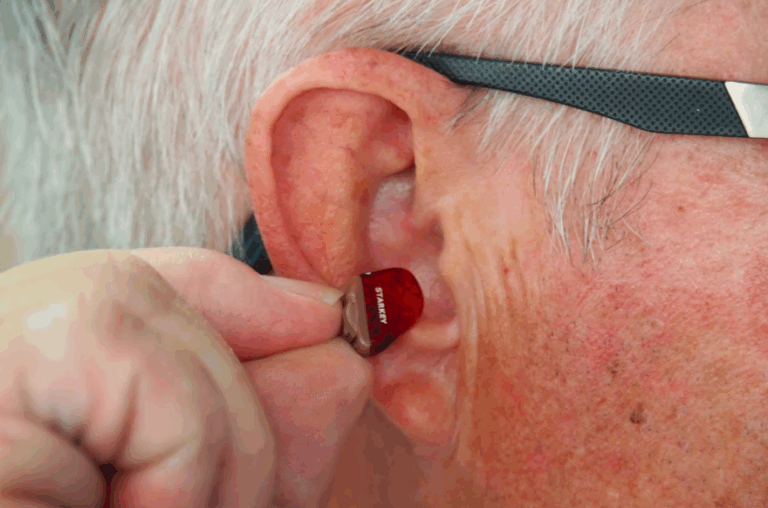
Starkey Cares, formerly the Starkey Hearing Foundation, provides free hearing aids to people who cannot afford them, on an application basis.
The Sertoma Hearing Aid Project connects people to assistance and some local clubs fund aids directly, at sertoma.org.
Lions Clubs have a long history of vision and hearing help, often providing free or low-cost aids, tests, and fittings through local chapters. Availability varies, so contact your local club.
If Hearing Loss Affects Your Job
Working-age adults have an additional route. State vocational rehabilitation agencies may pay for hearing aids when hearing loss affects your ability to work, based on employment-related eligibility. This is worth pursuing if you are employed or seeking work.
A Practical Order
For mild-to-moderate loss, start with over-the-counter hearing aids, which are far cheaper than they used to be. Check whether a Medicare Advantage plan or your state Medicaid offers a hearing benefit. For free aids on a low income, apply to the Miracle-Ear Foundation, Starkey Cares, or a local Lions Club. And if hearing loss affects work, contact state vocational rehabilitation.
Help for Veterans and Seniors
Two groups have extra options worth knowing. Both can cut costs sharply.
The VA provides hearing aids to eligible veterans, often at no cost. Some Medicare Advantage plans include hearing benefits even though Original Medicare does not. Checking these first can save thousands before you pay out of pocket.
Financing and Lower-Cost Brands
Prices vary widely, so shopping matters. Newer options have lowered the floor.
Over-the-counter hearing aids and warehouse-club brands cost far less than traditional models. Many audiology offices offer payment plans. Comparing a few providers, and asking what is bundled into the price, helps you avoid overpaying.
Hearing Aid Assistance FAQs
Are there government grants for hearing aids?
No grants pay individuals directly. Original Medicare does not cover hearing aids, though some Medicare Advantage plans and some state Medicaid programs do. Over-the-counter aids have made them much cheaper.
Does Medicare cover hearing aids?
Original Medicare does not, covering only diagnostic tests when ordered. Some Medicare Advantage plans include a limited hearing allowance. A coverage bill has been proposed but is not law.
What are over-the-counter hearing aids?
Hearing aids that adults with mild-to-moderate loss can buy without a prescription, available since 2022. Many pairs now cost between $200 and $1,000, far less than traditional prescription aids.
What charities give free hearing aids?
The Miracle-Ear Foundation, Starkey Cares, the Sertoma Hearing Aid Project, and local Lions Clubs provide free or low-cost aids to people who qualify.
Can vocational rehab help?
Yes. If hearing loss affects your ability to work, state vocational rehabilitation agencies may pay for hearing aids based on employment-related eligibility.
Does Medicaid cover hearing aids?
It varies by state. Many states cover them for children and some for adults. Check your state Medicaid program’s rules.