If you’ve been searching “housing grants in Washington State,” you’ve probably noticed the promises outnumber the specifics. So here’s the grounded version: the real help sorts into buying a home, covering rent, and repairing the home you own, and each has genuine programs behind it. Almost none of it is free money with no strings, but much of it can save you a serious amount. The first step is knowing which category you’re in.
Help Buying a Home
For buyers, the Washington State Housing Finance Commission (WSHFC) is the anchor. It offers first-time buyer loan programs bundled with down payment assistance, aimed at buyers within certain income limits. You access these through participating lenders across the state. For most first-time buyers in Washington, this is where the journey starts.
Down Payment Assistance
The down payment is the classic sticking point, and WSHFC’s assistance is built to ease it. Its programs can cover down payment and closing costs, often as a second loan that lets you buy with much less cash on hand. That structure opens the door for buyers who could handle a monthly payment but couldn’t save a big lump sum. It’s frequently the deciding factor in whether a purchase happens.
Rental Assistance
Renters have their own set of supports. Section 8 Housing Choice Vouchers and various state and local rental programs lower costs for eligible households, though demand means waitlists are common. Applying early and to several programs improves your odds. Your local housing authority runs these and is the right first contact.
Repairing the Home You Own
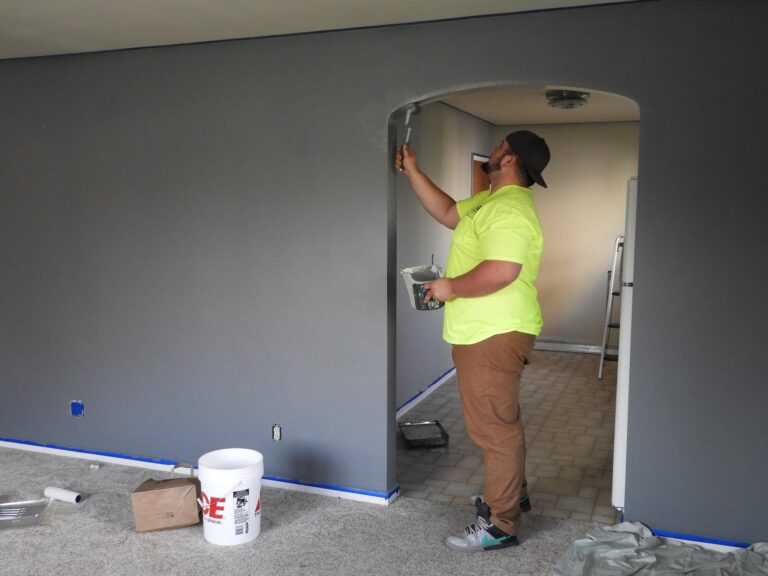
Homeowners facing repairs have real options too. USDA Section 504 offers grants and loans to eligible rural homeowners, the Weatherization Assistance Program handles energy-efficiency fixes at no cost to qualifying households, and many Washington counties run their own rehab programs. Each is tuned to a different need and income level. Your county or city community development office can point you to the local ones.
Energy and Utility Help
Washington households squeezed by utility bills have a cushion. LIHEAP helps eligible families with heating and cooling costs and can link you to weatherization that tackles the root cause. If a shutoff threatens, it can move quickly. Apply even if you’re unsure you qualify, since the limits are often more generous than expected.
Staying Clear of Scams
The rule that protects you everywhere applies here: legitimate housing help never charges an upfront fee. Anyone guaranteeing a grant in exchange for money or your banking details is running a scam. Stick with WSHFC, your local housing authority, and official agencies. That single filter blocks most of the bad actors.
Where to Start
Aim at the right category and it all gets simpler. Buyers should begin with WSHFC, renters with the local housing authority, and homeowners with their county community development office. A HUD-approved housing counselor can help you weigh options for free. Targeting your actual need beats chasing generic “grants” down a rabbit hole.
Prepare Before You Apply
Getting organized up front makes every Washington program run more smoothly. Most will want proof of income and, for buyers, evidence that you’re mortgage-ready, so pulling your credit, fixing errors, and gathering documents ahead of time helps. Borrowers who show up prepared tend to get better terms and faster answers. A short burst of prep can save weeks later.
Layer Programs Where You Can
The biggest savings usually come from combining help rather than picking just one program. A WSHFC loan might pair with down payment assistance, or a repair grant might stack with weatherization for a larger effect. Not everything combines, so ask what works together in your case. A housing counselor can help you build the right stack for your situation.
Watch the Income Limits
Washington’s programs come with income and sometimes price limits that vary by area and household size. A program that fits one county’s numbers might not fit another’s, so it’s worth confirming the current thresholds before you get attached to a plan. Checking early keeps your expectations grounded. Your lender or a housing counselor can tell you exactly where you stand.
Lean on Free Help
You don’t have to navigate Washington’s programs solo. HUD-approved housing counselors help buyers, renters, and homeowners weigh their options for free, and WSHFC’s resources are there when you need them. They know which programs are active and how the qualifying rules work. A short conversation up front can save weeks of confusion and steer you directly to the help you’re eligible for.
The Bottom Line
Washington’s housing help is genuine, but it works best when you target your actual need and prepare before applying. Buyers start with WSHFC, renters with the local housing authority, and homeowners with their county office, all backed by a free housing counselor. A little focus turns a noisy search into concrete, money-saving support.
Common Questions
Are there free housing grants in Washington? Broad no-strings grants are rare, but down payment help, rental assistance, and repair programs offer real support.
Where do buyers start? With the Washington State Housing Finance Commission and a participating lender.
What helps homeowners repair? USDA Section 504, weatherization, and local county rehab programs.
Income limits, occupancy rules, credit standards, funding availability, and eligible properties vary by program and can change.