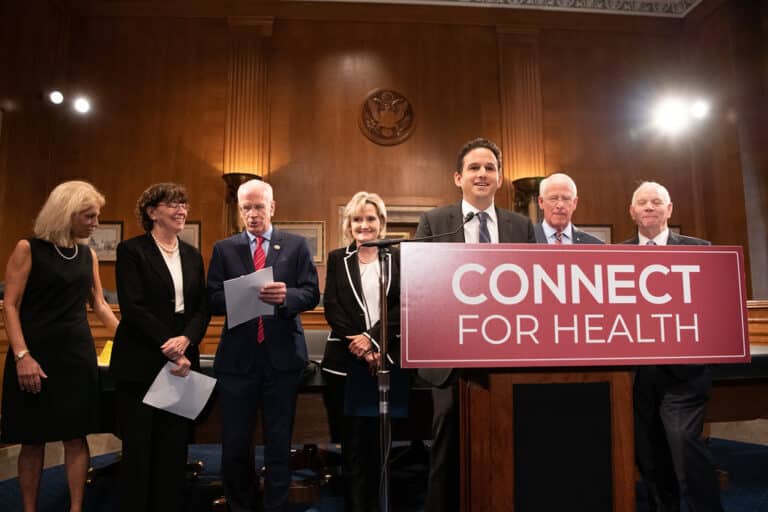
Primary care is the foundation of a healthy community, and various programs support the providers and practices that deliver it. Real funding and financial help exist, especially for those serving underserved areas, from loan repayment to practice support. Understanding these opportunities helps primary care providers and organizations access them. This guide covers the main sources of support for primary care.
The National Health Service Corps
One of the most valuable programs for primary care providers is the National Health Service Corps. It offers loan repayment and scholarships to clinicians who serve in high-need, underserved areas, helping cover education costs in exchange for service. For providers open to serving where they’re needed most, this can be transformative. It’s a powerful way to reduce debt while making a real difference.
HRSA Programs
HRSA supports primary care in numerous ways beyond the Corps. It funds health centers, workforce development, training programs, and initiatives to expand access to care, with many opportunities relevant to primary care providers and organizations. Exploring HRSA’s programs reveals a range of support. For anyone in primary care, HRSA is a central resource worth knowing well.
Support for Serving Underserved Areas
Much primary care funding is tied to reaching people who lack access. Providers and practices serving underserved communities may qualify for various grants, loan repayment, and enhanced support, reflecting the priority placed on expanding access. If you serve or plan to serve such an area, targeted opportunities may be available. This focus on access shapes much of the funding landscape.
Practice and Workforce Grants
Funding exists to support primary care practices and the workforce itself. Grants may help with practice improvement, adopting technology, training, or building the primary care workforce, depending on the program and its goals. These can strengthen a practice’s capacity and sustainability. Seeking out grants aligned with your practice’s needs can provide meaningful support.
Foundations and Other Sources
Private funding supplements public programs. Foundations and other organizations fund healthcare and primary care initiatives, sometimes focused on specific goals or populations. Matching your work to a funder’s priorities improves your chances. Adding foundation support to public funding creates a stronger financial base.
How to Get Started
Accessing support starts with knowing where to look. Exploring the National Health Service Corps and HRSA programs, checking opportunities on Grants.gov, and researching relevant foundations set you on the path. Applying to programs that fit your situation, and preparing strong applications, improves your odds. A proactive approach uncovers the support available to primary care providers.
Loan Forgiveness Beyond the NHSC
The National Health Service Corps isn’t the only route to loan relief. Public Service Loan Forgiveness, state loan repayment programs, and other initiatives can also help primary care providers reduce education debt, sometimes in combination. Exploring all the programs you might qualify for can significantly ease your financial burden. For providers carrying student loans, this is an area well worth thorough research.
Support for Practices and Teams
Funding can strengthen whole practices, not just individual providers. Grants and programs may support adopting health technology, improving quality, expanding services, or building care teams, depending on the opportunity. These investments can improve both care and sustainability. Seeking funding aligned with your practice’s goals helps build capacity that benefits patients and providers alike.
Avoiding Scams
As with any search involving funding, stay alert to bad actors. Legitimate grant makers never charge a fee to apply, and anyone promising guaranteed funding for payment is not credible. Stick to official sources like Grants.gov, government agencies, and established foundations. That habit protects your organization’s money and reputation while you pursue real opportunities.
The Bottom Line
Primary care providers have real support available, from National Health Service Corps loan repayment and HRSA programs to grants tied to serving underserved areas and practice funding. Exploring loan forgiveness options, HRSA resources, and aligned foundations, then applying thoughtfully, opens these doors. Much of the funding rewards serving where care is needed most. A proactive, well-researched approach helps primary care providers access the support that sustains their vital work.
Serving Where You Are Needed
A theme runs through much primary care funding: support flows to those who serve where care is scarce. Providers willing to practice in rural areas, underserved urban communities, or with high-need populations open the door to loan repayment, grants, and other support. Beyond the funding, this work is deeply meaningful and addresses real gaps in access. For providers open to it, aligning where you practice with where care is needed unlocks both support and purpose.
Getting Involved Early
For those still in training, it pays to explore these opportunities early. Understanding programs like the National Health Service Corps while in school or residency lets you plan a path that reduces debt and aligns with meaningful service. Advisors, financial aid offices, and professional organizations can point the way. Starting to think about funding and service options early gives future primary care providers the most choices and the strongest financial footing as they begin their careers.
Common Questions
What helps primary care providers with student debt? The National Health Service Corps offers loan repayment and scholarships for serving in high-need areas.
Where else can providers find support? HRSA programs, grants tied to serving underserved areas, and foundations.
How do I start? Explore the NHSC and HRSA, check Grants.gov, and research relevant foundations.
Program availability, eligibility rules, deadlines, and award amounts can change, and submitting an application does not guarantee funding.