Needing dental work you can’t afford is stressful, and searching for ‘grants’ is a natural first step. The truth is that Florida residents are better served by a handful of real programs than by chasing grants that mostly don’t exist for individuals.
This guide lays out the options that actually work in Florida: Medicaid’s adult dental benefit, discounted dental-school clinics, and free or charitable dental care.
What “Dental Grants” Really Means
A quick reality check saves a lot of frustration: individuals can’t really get a ‘dental grant’ to cover personal treatment. Dental grant money flows to safety-net clinics, teaching programs, and nonprofits, not to patients as cash or vouchers.
That’s not bad news, though, it means the help is real, just delivered through programs rather than personal awards. Below are the ones that matter in your state.
Does Florida Medicaid Cover Adult Dental?
Florida’s adult Medicaid covers only emergency dental, extractions and relief of pain or infection, not routine cleanings, fillings, or crowns, so most preventive care falls to other programs.
With so little dental care covered by Medicaid in Florida, the dental schools and charitable programs below aren’t just extras, for most adults they’re the main path to real, affordable treatment. It’s still worth confirming your status, since emergency extractions and infection care may be covered when you’re in pain.
Keep in mind that state budgets change these adult benefits periodically and managed-care plans differ, so check your specific coverage before treatment. One constant: for anyone under 21, Medicaid dental is comprehensive in every state.
Low-Cost Care at Florida Dental Schools
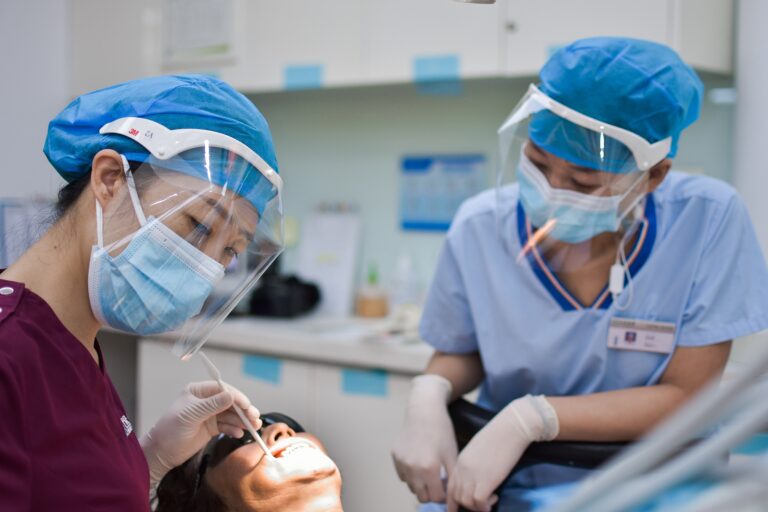
Dental schools are one of the best ways to get quality care for less. Students treat the public at a significant discount under the supervision of licensed faculty dentists. In Florida, that includes the University of Florida, Nova Southeastern University, and the LECOM School of Dental Medicine in Bradenton.
Appointments take longer than a regular office because each step is checked by an instructor, but you get careful, quality care for far less, and school clinics often take patients who can’t be seen elsewhere. Call ahead to ask about fees, waitlists, and which services their clinic offers.
More Ways to Save on Dental Care
If you don’t qualify for those programs, a few other tactics help. Dental discount plans (not insurance) charge a yearly membership fee in exchange for reduced rates at participating dentists, which can help with predictable costs. Many dentists also offer in-house payment plans or third-party financing if you ask.
Finally, the National Institutes of Health and dental schools sometimes run clinical trials and studies that provide free or low-cost treatment to participants. It never hurts to ask a provider directly about a cash discount, since some reduce fees for patients paying upfront.
Where to Find Free Dental Care
Several charitable networks help adults who can’t afford care. The Dental Lifeline Network runs Donated Dental Services (DDS), which provides free comprehensive treatment to people who are elderly, disabled, or medically fragile through volunteer dentists, it operates in Florida and most other states, though waitlists can be long.
Free clinic events are another route: Mission of Mercy and similar large-scale volunteer events offer free dental care to anyone who shows up, often serving hundreds of people over a weekend. And federally qualified health centers (FQHCs) across Florida provide dental care on a sliding scale based on your income, you can find one through the HRSA locator.
Where to Start in Florida
To keep it manageable, tackle Florida’s options in order. Begin with Medicaid: check eligibility and what’s actually covered, because nothing beats it on price when you qualify. Next, if you need work Medicaid won’t pay for, a dental school clinic offers the biggest reliable discount. Then, for those who are older, disabled, or seriously ill, Donated Dental Services and Mission of Mercy events provide free care.
Anything still uncovered can often be handled through an FQHC’s sliding scale or a membership discount plan. Moving step by step like this keeps costs down and prevents you from overpaying for something a program would have covered.
Common Questions
Can I get a dental grant in Florida? Not in the way most people hope. There’s no government program that gives individuals cash ‘dental grants‘ in Florida. Real help comes through Medicaid, discounted dental-school clinics, and charitable programs like Donated Dental Services.
Where can I get free or cheap dental care in Florida? Start with a federally qualified health center (sliding-scale fees), a Florida dental-school clinic for discounted work, and the Dental Lifeline Network’s Donated Dental Services if you’re elderly, disabled, or medically fragile. Mission of Mercy events offer free care when they’re held nearby.
How do dental school clinics work? Dental schools treat the public at a discount, often 30% to 50% below private-practice fees, because supervised students provide the care. Visits take longer, but the quality is high and the savings are substantial.
Dental assistance may cover only part of the treatment, and availability often depends on funding, location, and clinical eligibility.