If you or a loved one has advanced liver disease, you may hear about the MELD score. It plays a central role in liver care and transplant decisions. This guide explains what the score is, how it is calculated, and what it means for a patient. This is general information, not medical advice. Your transplant team interprets your own situation.
What Is the MELD Score?
MELD stands for Model for End-Stage Liver Disease. It is a number that measures how severe chronic liver disease has become. The score also estimates short-term risk, over roughly 90 days.
In short, it turns lab results into a single, objective number. That number helps doctors compare patients fairly and track changes over time.
How the Score Prioritizes Transplants
The main use of MELD is transplant priority. In the United States, donor livers are scarce. The system aims to help the sickest patients first.
So a higher score means a sicker patient. And a sicker patient gets higher priority for a donor liver. The score is rechecked regularly, so priority can rise or fall as a patient’s labs change.
The Lab Values Behind the Score
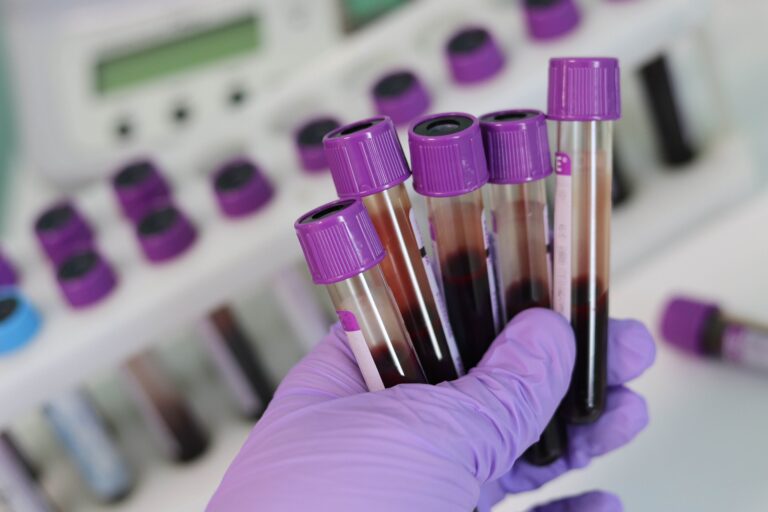
MELD relies on lab values, which keeps it objective. The original version used three: bilirubin, creatinine, and INR.
Each value reflects a different function. Bilirubin reflects how well the liver clears waste. Creatinine reflects kidney function, which often suffers in liver disease. INR reflects how well the blood clots, a job the liver supports.
How the score has evolved
The formula has improved over the years. A version called MELD-Na added sodium, a strong predictor of risk. The current U.S. version, MELD 3.0, also adds albumin and a small adjustment for sex. These changes improved accuracy and fairness.
What the Numbers Mean
MELD scores range roughly from 6 to 40. A score near 6 signals less severe disease. A score near 40 signals the most severe disease and high short-term risk.
Doctors often refer patients to a liver specialist or transplant center around a score of 10. Above that, the risk and urgency climb.
MELD Exceptions
The standard score does not capture every situation. Some patients are sicker than their labs suggest. Liver cancer within certain criteria is a common example.
For these cases, the system grants exception points. This raises a patient’s priority to match their true urgency.
Who the Score Is For
MELD applies to patients age 12 and older with chronic liver disease. A separate score, called PELD, is used for younger children.
If you are told your score, remember what it is. It is a clinical tool your team calculates and interprets. It is not a prediction for any one person.
What a Score Means for You
For patients and families, MELD can feel abstract. It helps to see its role clearly. A rising score signals worsening liver function.
That may prompt closer monitoring or a transplant evaluation. It also gives your care team a shared way to discuss severity. Lean on them to explain what your score means for your plan.
Coping With Advanced Liver Disease
A transplant journey is stressful, both emotionally and financially. Support exists. Transplant centers have social workers who guide families through the process.
Costs can be a barrier, so it helps to plan early. Our guide to charities that help with medical bills lists resources that may ease the burden.
Limitations of the MELD Score
The MELD score is powerful, but it is not perfect. It captures lab-based severity well. Yet it cannot measure everything that makes a patient sick.
Complications like severe fatigue, muscle wasting, or repeated infections may not show fully in the score. This is one reason exception points and clinical judgment still matter alongside the number.
MELD Beyond Transplant
Transplant priority is the main use, but not the only one. Doctors also use MELD to gauge risk before surgery in people with liver disease.
A higher score signals higher surgical risk. That helps surgeons and patients weigh the timing and safety of an operation.
How the Waiting List Works
A liver transplant follows a careful process. First, a transplant center evaluates whether you are a candidate. Then, if listed, your MELD score helps set your place in line.
Your score is updated regularly with fresh labs. Matching also considers blood type, body size, and geography. A transplant coordinator guides you through each step.
MELD Score FAQs
What is the MELD score?
The Model for End-Stage Liver Disease, a score measuring the severity of chronic liver disease and short-term risk.
What is it used for?
Mainly to prioritize patients on the liver transplant waiting list. Higher scores get higher priority.
What lab values does it use?
Bilirubin, creatinine, and INR, with newer versions adding sodium, albumin, and sex.
What is the score range?
Roughly 6 for less severe disease to 40 for the most severe.
When are patients referred based on MELD?
Often at a score around 10 or higher, to a liver specialist or transplant center.
What are MELD exceptions?
Extra points for patients, such as some with liver cancer, who are sicker than their labs alone show.
Does a high score guarantee a transplant?
No. It raises priority, but transplant depends on many factors and organ availability.
Who is the score for?
Patients age 12 and older; a separate PELD score is used for younger children.
Reference ranges and clinical interpretation vary by laboratory, method, age, health status, and the patient’s overall clinical picture.