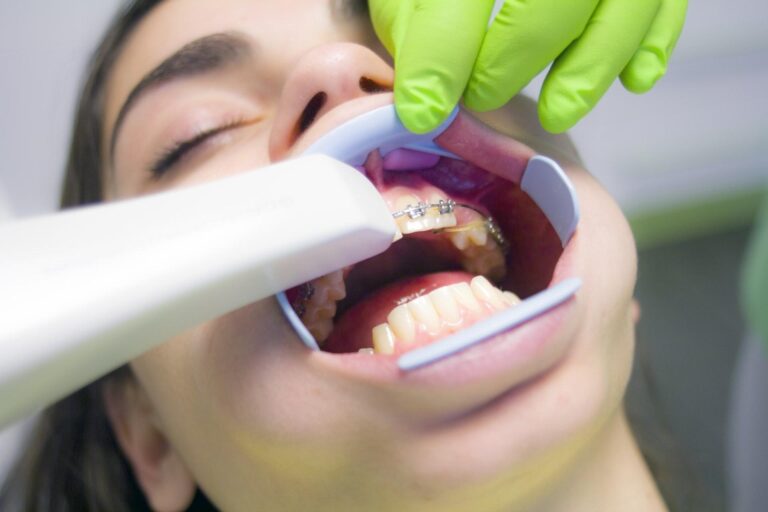
Braces are a significant expense. Without insurance, the price can feel out of reach. The good news is that several real ways exist to make orthodontic treatment affordable. This guide explains what braces cost without insurance, the lower-cost providers, and the nonprofits that help children. Prices vary by case and region, so confirm with providers.
What Braces Cost Without Insurance
Traditional metal braces commonly cost $3,000 to $7,500 without insurance. The exact price depends on the complexity of your case and your location.
That price usually includes the consultation, placement, and routine adjustments over the treatment. Because the total is large but paid over one to two years, the key is often to spread the cost and find a lower-priced provider. Both are very doable.
Lower-Cost Providers
Dental and orthodontic school clinics offer big savings. Supervised students and residents provide the care at roughly half of private-practice prices.
Appointments take longer, and there may be a waitlist. But the quality is closely supervised. Ask whether a dental school near you accepts orthodontic patients. This route can save thousands of dollars over a full course of braces.
Payment Plans and Coverage
Most orthodontists offer in-house payment plans. These often have a modest down payment and interest-free monthly payments, so ask every office.
For children, Medicaid and CHIP cover medically necessary braces for those under 21. This applies when there is a qualifying functional problem, not for cosmetic-only cases. Adults are generally not covered. Dental savings plans, which are memberships rather than insurance, can also discount fees.
Nonprofit Help for Children
For lower-income families, nonprofits can make braces possible. Smiles Change Lives matches children roughly ages seven to eighteen with volunteer orthodontists.
It requires a modest application fee and a family contribution far below the normal price. Smile for a Lifetime is a similar foundation. These programs are aimed at families who cannot afford full-price treatment, so they are worth applying to if your child needs braces.
Adults and Cosmetic Cases
One honest point: public programs cover braces only for children with a medically necessary need. So adults and cosmetic-only cases generally pay out of pocket.
If you are an adult, your best levers are a dental school clinic, an in-house payment plan, and FSA or HSA funds. Compare traditional braces against clear aligners, since one may be cheaper for your case. And get more than one consultation.
Getting the Best Value
A few steps stretch your money. Get consultations from more than one orthodontist, since prices and plans vary. Many offer free initial consults.
Ask what the quoted price includes, such as retainers and follow-up visits after the braces come off. Use FSA or HSA funds if you have them, since orthodontics is a qualified expense. And ask about a discount for paying in full up front, which many offices offer.
Comparing Braces and Clear Aligners
Braces are not the only option. Clear aligners can treat many cases too.
Traditional braces are sometimes cheaper for complex cases. Clear aligners suit mild to moderate cases and are less visible. Ask an orthodontist which fits your needs and budget. Choosing the right treatment for your case, rather than defaulting to one, can save money.
A Practical Order
Put it together in order. For a child, first check Medicaid or CHIP for medically necessary coverage, then apply to nonprofits like Smiles Change Lives.
For anyone, contact an orthodontic school clinic and ask orthodontists about in-house payment plans. Consider a dental savings plan to discount fees. Our guide to charities that help with medical bills lists more help.
Caring for Braces on a Budget
Good care during treatment protects your investment. Broken brackets and extra visits can add cost.
Brush and floss carefully to avoid cavities and gum problems. Avoid hard, sticky foods that can damage the braces. And keep every scheduled adjustment, since skipped visits can lengthen treatment. Simple habits keep the total cost down.
Planning Ahead for the Cost
Braces are a planned expense, so you can prepare. If you have an FSA, set money aside during open enrollment.
Get quotes before you start, and ask each office for its full price, including retainers. Comparing two or three orthodontists often reveals a meaningful price difference for the same treatment.
Braces Cost FAQs
How much are braces without insurance?
Traditional metal braces commonly cost $3,000 to $7,500, depending on the case and location.
How can I get braces cheaper?
Through orthodontic school clinics, in-house payment plans, dental savings plans, and nonprofits for children.
Does Medicaid cover braces?
Medicaid and CHIP cover medically necessary braces for children under 21, but generally not cosmetic cases or adults.
Are there nonprofits that help with braces?
Yes. Smiles Change Lives and Smile for a Lifetime provide reduced-cost braces to eligible children.
Can I pay for braces monthly?
Yes. Most orthodontists offer in-house payment plans, often interest-free, with a modest down payment.
Can I use an FSA or HSA for braces?
Yes. Orthodontics is a qualified medical expense, so pre-tax funds effectively discount the cost.
Do dental schools really cost less?
Yes, often around half of private-practice prices, since supervised students provide the care. Appointments take longer.
Are braces or clear aligners cheaper?
It depends on your case. Traditional braces are sometimes cheaper for complex cases, so compare both.
Actual out-of-pocket cost varies by location, provider, insurance terms, financing charges, and the services ultimately required.