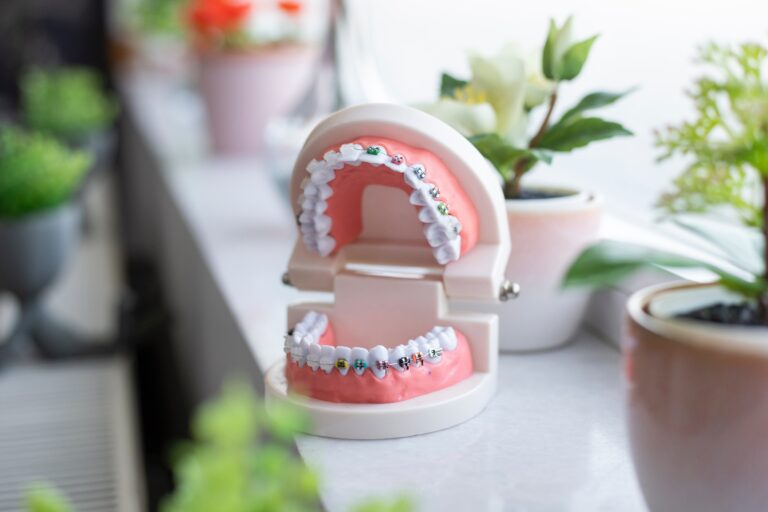
Veneers have become one of the most popular cosmetic dental treatments, prized for transforming smiles. They are thin coverings placed on the front of teeth to improve appearance. Understanding what veneers are, their types, and what to consider helps you make an informed decision. This guide explains veneers and the key things to know.
Veneers can enhance a smile, but they are a significant, often permanent decision. Knowing the facts helps you decide if they are right for you.
What Veneers Are
Veneers are thin, custom-made shells that cover the front surface of teeth. They can improve the color, shape, size, or alignment of teeth, creating a more even, attractive smile. Veneers are bonded to the teeth by a dentist. They are a common tool in cosmetic dentistry.
Veneers cover the front of teeth to improve appearance. They are a popular cosmetic option.
Why Veneers Are Popular
Veneers appeal to many people for good reasons. They can address several cosmetic concerns at once, produce natural-looking results, and dramatically improve a smile. Their popularity has grown with increased attention to appearance. For many, they offer a way to feel more confident.
Veneers address several concerns and look natural. Their popularity reflects these benefits.
Types of Veneers
There are different types of veneers to consider. Porcelain veneers are durable and natural-looking, while composite veneers are less expensive and can often be done in one visit. Each type has trade-offs in cost, appearance, and longevity. Your dentist can help you choose the right type.
Porcelain and composite veneers each have benefits. Your dentist can advise which fits your needs.
What to Consider Before Getting Veneers
Veneers are a significant decision that deserves thought. Getting some types of veneers involves permanently altering the teeth, and veneers are not reversible in those cases. Cost, maintenance, and expectations all matter. Discussing these carefully with your dentist is essential.
Veneers can be a permanent choice. Careful consideration is important before proceeding.
The Cost of Veneers
Veneers are a cosmetic treatment usually not covered by insurance. Costs vary by the type of veneer, the number of teeth, and the dentist, and can add up for a full smile. Understanding the cost helps you plan. Some dentists offer payment options.
Veneers are typically paid out of pocket. Costs vary widely by type and number of teeth.
Caring for Veneers
Veneers require good care to last. Regular brushing and flossing, routine dental visits, and avoiding habits that could damage them help preserve veneers. With proper care, quality veneers can last many years. Good oral hygiene protects your investment.
Good care extends the life of veneers. Hygiene and regular visits are key.
Choosing a Dentist
The results of veneers depend heavily on the dentist. Choosing an experienced, qualified dentist, reviewing before-and-after examples, and having a thorough consultation lead to better outcomes. Realistic expectations are important. A skilled dentist is worth seeking for cosmetic work.
A skilled dentist shapes the result. Experience and consultation matter greatly.
Are Veneers Right for You?
Veneers suit people seeking to improve their smile who understand the commitment and cost. Discussing your goals, alternatives, and expectations with a dentist helps you decide. Alternatives like whitening or bonding may suit some needs. An informed choice leads to satisfaction.
Veneers fit those ready for the commitment. A dentist can help you weigh the options.
Alternatives to Veneers
Veneers are not the only way to improve a smile. Teeth whitening, dental bonding, and orthodontic treatment address different concerns, sometimes at lower cost and with less permanence. Discussing alternatives with your dentist helps you find the right fit. The best option depends on your goals and your teeth.
Several alternatives to veneers exist. Your dentist can help you compare them.
Setting Realistic Expectations
Good outcomes start with realistic expectations. Understanding what veneers can and cannot do, and discussing your goals openly with your dentist, leads to satisfaction. Reviewing examples of the dentist’s work helps you picture results. Clear expectations prevent disappointment and support a happy outcome.
Realistic expectations lead to satisfaction. Open discussion shapes good results.
The Longevity of Veneers
How long veneers last is an important consideration. Quality veneers, well cared for, can last many years, though they may eventually need repair or replacement. Porcelain tends to last longer than composite, and good habits extend their life. Understanding longevity helps you weigh the investment.
Well-cared-for veneers last many years. Longevity is part of the value.
Making an Informed Choice
Choosing veneers is a personal decision best made with good information. Understanding the types, costs, permanence, and alternatives lets you decide with confidence. A thorough consultation with a qualified dentist answers your questions. An informed choice leads to a result you will be happy with for years.
Good information supports a confident choice. A thorough consultation is key.
Veneers FAQs
What are veneers? Thin, custom coverings bonded to the front of teeth to improve their appearance.
Are veneers permanent? Some types involve permanently altering the teeth and are not reversible, so consider carefully.
Does insurance cover them? Generally no, since veneers are usually a cosmetic treatment.