If you or your child is getting braces, one of the first questions is usually how long they’ll need to be worn. The honest answer is that it varies quite a bit depending on the situation, though there’s a typical range. Understanding what affects the timeline helps set realistic expectations. This guide explains how long braces usually take, what influences that, and what comes afterward.
The Typical Timeline
Most people wear braces for a period measured in months to a few years. A common range is roughly one to three years, with many treatments falling somewhere in the middle, though some are shorter and some longer. The right duration depends on the individual’s needs. Your orthodontist can give you a personalized estimate based on your specific situation.
What Affects the Duration
Several factors shape how long braces are needed. The complexity of the dental issues, how much the teeth and bite need to move, the type of braces, a person’s age, and how well they follow instructions all play a role. More complex cases naturally take longer. Understanding this helps explain why timelines differ so much from person to person.
Following Instructions Matters
How closely you follow your orthodontist’s guidance can affect your treatment time. Keeping appointments, caring for your braces and teeth, avoiding foods that could damage them, and wearing any prescribed elastics or appliances as directed all help treatment stay on track. Neglecting these can extend the timeline. Being a cooperative patient supports a smoother, more predictable result.
Why Retainers Come Next
Braces are only part of the journey; retainers follow. After braces come off, teeth can shift back over time, so orthodontists prescribe retainers to hold them in their new positions. Wearing a retainer as directed, often long-term, is essential to preserving your results. Skipping it can undo the work the braces accomplished.
Caring for Your Braces
Good care during treatment supports both your results and your timeline. Brushing and flossing carefully, attending regular orthodontic and dental visits, and avoiding hard or sticky foods that can break braces all help. Good oral hygiene also prevents problems that could complicate treatment. Taking care of your braces is part of getting the best outcome.
Keeping Realistic Expectations
Patience helps throughout orthodontic treatment. Teeth move gradually, and rushing isn’t possible, so trusting the process and staying consistent lead to the best results. Your orthodontist will monitor progress and adjust as needed. A positive, patient approach makes the time in braces pass more easily and rewards you with a healthier smile.
Types of Braces and Timing
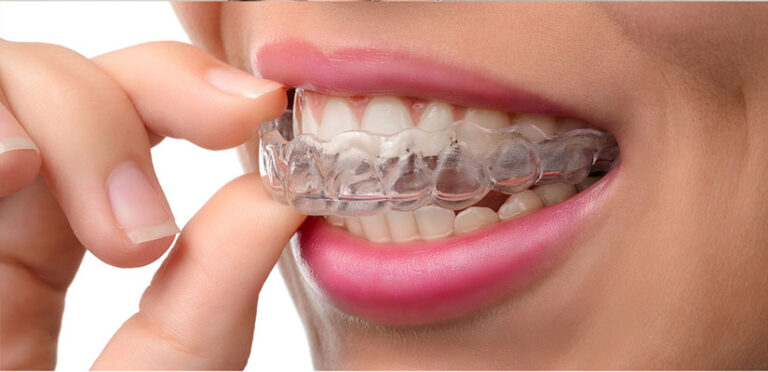
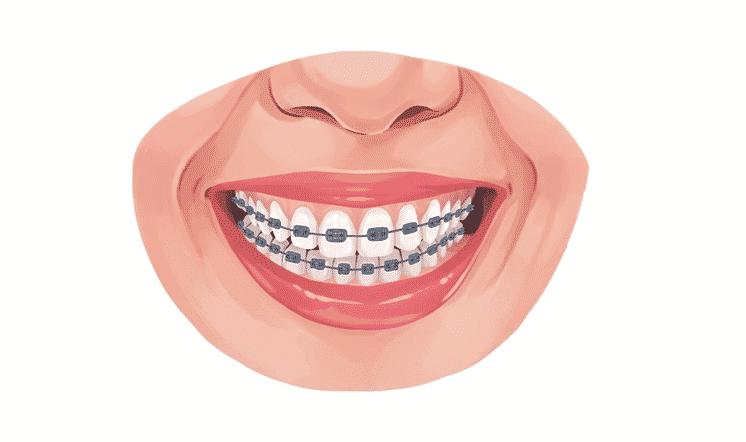
The type of orthodontic treatment can influence the timeline. Traditional metal braces, ceramic braces, and clear aligners each work somewhat differently, and the best option and its duration depend on your specific needs. Your orthodontist can explain which type suits your situation and roughly how long it may take. Understanding that treatment time is tied to both your needs and the method helps set realistic expectations.
Comfort Along the Way
It’s normal to have some discomfort during treatment. Teeth can feel sore after braces are placed or adjusted, and this usually eases within a few days. Simple measures your orthodontist may suggest can help you stay comfortable. Knowing that mild, temporary soreness is a normal part of teeth moving into place helps you take it in stride during the months of treatment.
The Payoff of Treatment
Whatever the timeline, the results of orthodontic treatment are worth the wait. Beyond a straighter smile, properly aligned teeth and bite can improve oral health, making teeth easier to clean and reducing certain problems. The benefits last long after the braces come off, especially with retainer use. Keeping the payoff in mind helps make the time in braces feel worthwhile.
The Bottom Line
Braces typically stay on for about one to three years, with the exact time depending on the complexity of your case, the type of braces, your age, and how well you follow instructions. Retainers then hold your teeth in place afterward, often long-term. Caring for your braces, keeping appointments, and being patient all support a smooth treatment and a lasting result. The time invested rewards you with a healthier, straighter smile.
Braces at Any Age
It is worth knowing that braces are not just for children and teens. Adults increasingly pursue orthodontic treatment too, and while treatment can sometimes take a bit longer for adults, it can be just as successful. The right timeline and approach depend on the individual, not simply their age. If you are an adult considering braces, an orthodontist can explain what to expect, so age alone should not discourage you from improving your smile and oral health.
Common Questions
How long do braces take? Often about one to three years, depending on the complexity of the case and other factors.
What affects the timeline? The severity of the issues, how much teeth must move, the type of braces, age, and how well instructions are followed.
Do I need a retainer afterward? Yes. Retainers hold teeth in place after braces, and wearing one as directed preserves your results.