Hearing aids are expensive, often thousands of dollars a pair, so whether Medicaid covers them is a pressing question, and the answer depends heavily on age and state. For children, hearing aids are guaranteed. For adults, coverage ranges from generous to nonexistent depending on where you live. This guide explains the rules and how to find out what your state offers. Coverage varies by state, so verify current details before relying on them.
The Short Answer
For children under 21, yes: hearing aids, replacement batteries, and cochlear implants are covered under EPSDT when needed. For adults, hearing aids are an optional benefit, and coverage varies dramatically by state, from full coverage to little or nothing.
Children: Hearing Aids Are Guaranteed
Under EPSDT, states must cover medically necessary hearing aids, replacement batteries, and cochlear implants for enrollees under 21, even if those items are not covered for adults, once a hearing problem is identified. Children receive hearing screenings at well-child visits, plus additional screenings whenever a problem is suspected, and the state must cover the follow-up care needed to treat what those screenings find.
Adults: It Depends on Your State
For adults, hearing aids are not a mandatory benefit, so it is up to each state, and the variation is wide. Some states cover the full package of hearing evaluations, hearing aids, fittings, and repairs for adults, often with frequency limits such as one aid per ear every few years. Other states cover the diagnostic hearing test but not the device itself, and some cover nothing for adults. Because there is no federal floor, do not assume either way; your state’s specific benefit is the only reliable guide.
Cochlear Implants Are Different
Cochlear implants are often covered as a surgical or prosthetic benefit even in states where routine hearing aids for adults are limited, because they are treated differently from conventional hearing aids. If a cochlear implant is a medical option for you or your child, it is worth asking about specifically, since the coverage path may exist even when hearing-aid coverage does not.
If Your State Does Not Cover Adult Hearing Aids
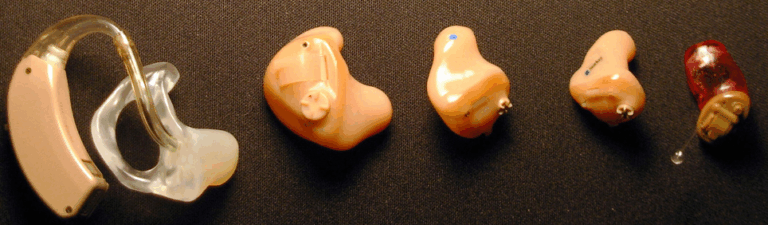
You still have options. Over-the-counter hearing aids, available without a prescription since 2022 for mild-to-moderate loss, cost far less than they used to. Charities like the Miracle-Ear Foundation and local Lions Clubs provide free or low-cost aids, and state vocational rehabilitation may help if hearing loss affects your job. See our guide to help with hearing aids for more.
How to Find Out and Apply
Get an audiology evaluation from a Medicaid-enrolled provider, who can submit a prior-authorization request if devices are covered. Confirm the adult hearing-aid benefit, the replacement interval, and battery and repair coverage with your state Medicaid program or managed care plan.
How to Check Your Benefit
Since adult hearing-aid coverage ranges from generous to none, confirm your state benefit directly. Call the member-services number on your card and ask whether adult hearing aids, fittings, and repairs are covered, the replacement interval, and whether prior authorization is needed. Start with an audiology evaluation from a Medicaid-enrolled provider, who can submit the paperwork if devices are covered.
Why Hearing Aid Coverage Varies by State
Hearing aids are an optional Medicaid benefit for adults. That means states decide whether to cover them.
Some states cover hearing aids for adults, while others do not. Coverage may include limits on frequency or cost. So whether your hearing aids are covered depends entirely on where you live. Check your state Medicaid plan for the details.
Children’s Hearing Coverage
Children have stronger hearing coverage than adults. Federal rules make this the case.
For children, Medicaid covers hearing screenings, exams, and hearing aids when medically necessary. This helps catch and treat hearing problems early, which matters for development. If your child needs hearing care, it is likely covered. Ask your plan how to get started.
Medicaid and Hearing Aids FAQs
Does Medicaid cover hearing aids for children?
Yes, required under EPSDT, including batteries and cochlear implants when medically necessary.
Will Medicaid cover hearing aids for adults?
Only in states that choose to. It is optional and varies widely.
Are hearing tests covered?
Diagnostic hearing evaluations are commonly covered. The device coverage is the part that varies.
How often can I get new hearing aids?
Where covered, often limited to a set interval, such as every few years. Check your state.
Are cochlear implants covered?
Often yes, as a surgical or prosthetic benefit, even where routine hearing aids are not. Verify with your state.
What if my state does not cover adult hearing aids?
Consider lower-cost over-the-counter aids, charities like the Miracle-Ear Foundation, and state vocational rehabilitation if hearing affects work.
Often yes where adult hearing aids are covered. The provider usually submits it after an audiology evaluation documenting medical necessity.
What if my state does not cover adult hearing aids?
Consider lower-cost over-the-counter aids for mild-to-moderate loss, charities like the Miracle-Ear Foundation, and state vocational rehabilitation if hearing affects work.
Are hearing aid batteries and repairs covered?
For children, batteries and related supplies are covered under EPSDT. For adults, coverage of batteries and repairs varies by state where hearing aids are covered at all.