Microneedling has become a popular skin treatment, but a lot of people aren’t sure what it actually involves. In short, it’s a procedure that uses tiny needles to create controlled micro-injuries in the skin, prompting the body to produce more collagen as it heals. That collagen boost is what drives the skin improvements people seek. This guide explains how microneedling works, what it can do, and what to know before trying it.
How It Works
The idea behind microneedling is to harness the body’s own repair process. The tiny punctures the needles create are superficial, but they trigger the skin to heal by producing collagen and elastin, the proteins that keep skin firm and smooth. This is why it’s sometimes called collagen induction therapy. Over time and with repeated sessions, that renewed collagen can improve the skin’s appearance.
The Benefits
People turn to microneedling for a range of skin concerns. It’s used to improve the look of acne scars, fine lines, uneven texture, enlarged pores, and overall skin tone. Because it stimulates natural collagen, results tend to develop gradually rather than overnight. Many find it a helpful option for smoother, more even-looking skin, though individual results vary.
What to Expect
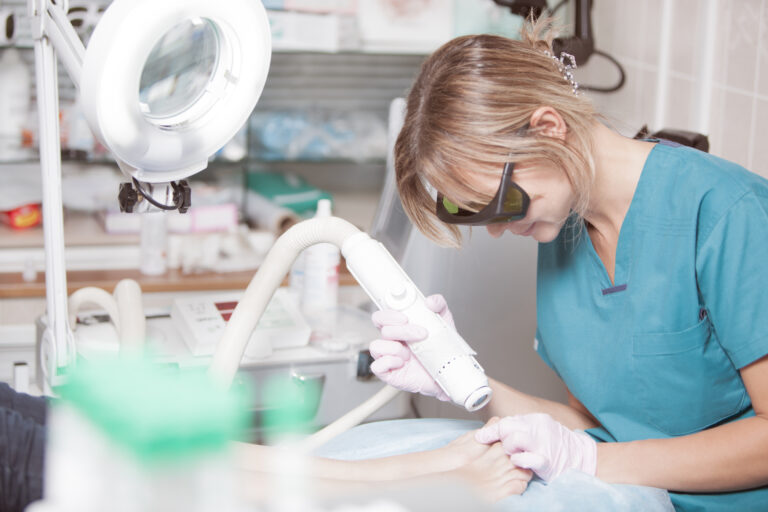
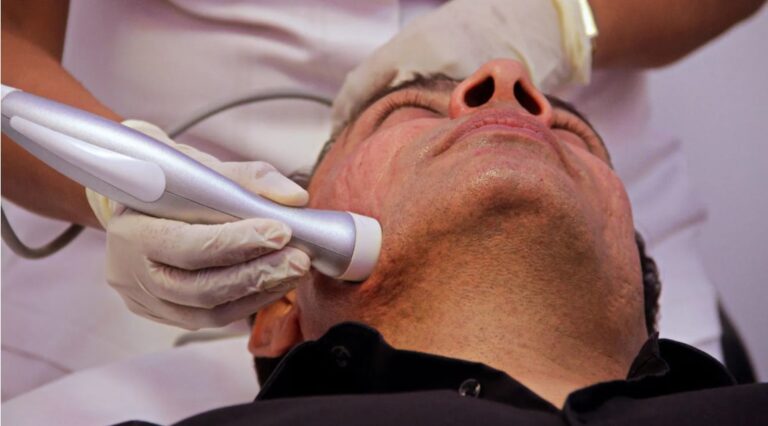
Knowing the process helps set realistic expectations. A session typically involves numbing cream for comfort, followed by the microneedling device passing over the skin, and it usually takes under an hour. Afterward, the skin often looks red, a bit like a mild sunburn, for a day or two. Most people need a series of sessions spaced weeks apart for the best results.
Professional vs. At-Home
There’s an important safety distinction worth understanding. Professional microneedling, done by a trained provider, uses proper equipment and technique and can go deeper safely, while at-home rollers are much more superficial and carry risks like infection if misused. For meaningful results and safety, a qualified professional is the better choice. If you consider any at-home device, research it carefully and follow instructions exactly.
Safety and Side Effects
Microneedling is generally considered safe when performed by a trained professional, but it’s still a medical procedure. Temporary redness, swelling, and sensitivity are common, and there’s a small risk of infection or irritation. Choosing a reputable, experienced provider greatly reduces the risks. Being honest about your skin and medical history helps them keep you safe.
Aftercare Matters
How you treat your skin afterward affects both healing and results. Providers usually advise keeping the skin clean, using gentle products, avoiding sun exposure, and wearing sunscreen, since the skin is more sensitive for a while. Following aftercare instructions helps you get the best outcome and avoid problems. Good aftercare is part of a good result.
Who Should Avoid It
Microneedling isn’t right for everyone. People with certain skin conditions, active infections or acne, a tendency to scar, or some medical conditions may be advised against it, and it’s not recommended during pregnancy in many cases. A consultation with a qualified provider is the way to know if it’s safe for you. When in doubt, ask a dermatologist.
Setting Realistic Expectations
Microneedling can improve the skin, but it’s important to expect gradual, natural-looking change rather than dramatic overnight results. Because it works by stimulating your own collagen over time, most people need several sessions and some patience to see the full effect. Results also vary with skin type, the concern being treated, and the provider’s skill. Going in with realistic expectations, guided by an honest professional, leads to the most satisfying outcome.
Combining With Other Treatments
Microneedling is sometimes used alongside other skincare treatments, but this should always be guided by a professional. Certain products or procedures can enhance results, while others may irritate freshly treated skin, so timing and combinations matter. A qualified provider can advise what’s safe to pair and when. Rather than experimenting on your own, rely on expert guidance to combine treatments safely.
The Bottom Line
Microneedling is a popular treatment that uses tiny needles to spur the skin’s natural collagen production, helping with scars, texture, fine lines, and tone. Done by a trained professional, it’s generally safe, with temporary redness the most common effect. Results build gradually over several sessions, and good aftercare matters. If you’re curious whether it’s right for you, a consultation with a dermatologist or qualified provider is the best place to start.
Choosing a Provider
Because results and safety depend heavily on who performs the treatment, choosing your provider carefully is worth the effort. Look for a licensed, experienced professional such as a dermatologist or trained practitioner, ask about their training and experience, and review before-and-after examples of their work. A good provider will assess your skin honestly and set realistic expectations. Taking time to pick the right person protects both your safety and your results.
Common Questions
What does microneedling do? It creates tiny controlled injuries that prompt the skin to make collagen, improving texture, scars, and tone over time.
Is it safe? Generally, when done by a trained professional; temporary redness and swelling are common, with a small risk of infection.
How many sessions are needed? Usually a series spaced weeks apart, since results build gradually.