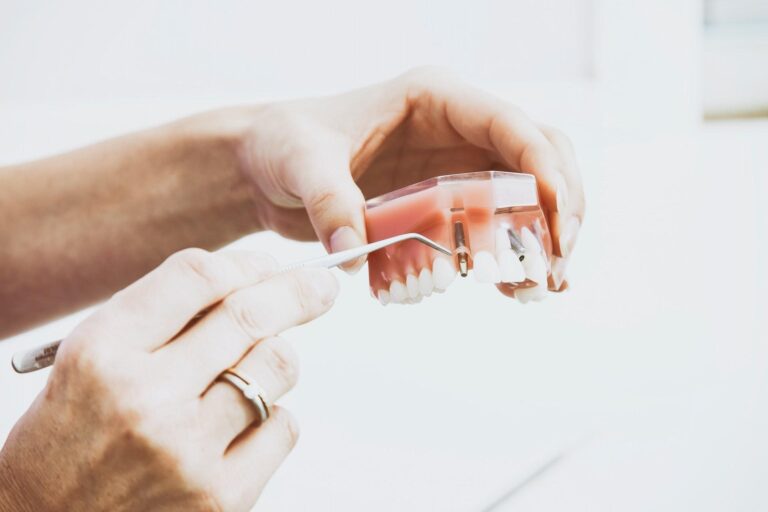
Dental implants are one of the most expensive treatments in dentistry, often several thousand dollars per tooth, so it is no surprise that people with disabilities on fixed or limited incomes look hard for help. It is important to start with the truth: there is no federal program that simply hands out free dental implants, and most online ads promising “free implants” are discounts or referral schemes in disguise. That said, people with disabilities actually have access to some of the best genuine options available, starting with a national charity built for exactly this population. This guide sets realistic expectations and walks through what truly helps. Programs change, so verify each before applying.
Set Expectations First
No government program gives free dental implants on demand. When implants are covered at all, it is usually because they are medically necessary rather than cosmetic, and even the strongest charities cannot promise them, because a volunteer dentist decides what is appropriate for each case. Be especially wary of advertisements promising “free implants for the disabled,” which frequently turn out to be partial discounts, financing offers, or referral services that may not save you much. Knowing this protects you from wasted time and disappointment.
The Best Genuine Option: Dental Lifeline Network
For people with disabilities, this is the strongest real avenue. Donated Dental Services (DDS), run by the Dental Lifeline Network, provides free, comprehensive dental treatment from volunteer dentists and labs to people who cannot afford care and are permanently disabled, aged 65 or older, or medically fragile. The goal is to restore your mouth to health.
Whether implants specifically are included depends on the volunteer dentist and your clinical situation, since implants are complex and not always the recommended solution. Ask directly about implants when you apply, but be open to alternatives like bridges or dentures if that is what the dentist advises. Expect a waitlist, often several months or more, because the care is donated. Apply through your state’s DDS program.
Medicaid and Medical Necessity
Medicaid may cover implants, but only where they are medically necessary and only in states whose adult dental benefit extends that far. Routine or cosmetic implants are generally not covered. If you have a medical condition that makes implants necessary rather than optional, ask your state Medicaid program and your dentist to document that necessity. Coverage varies widely, so check your state’s specific rules.
Clinical Trials
University dental schools and the National Institutes of Health occasionally run clinical trials involving implants, and participants sometimes receive treatment at no cost. This is a narrower path and depends on qualifying for a specific study, but it is worth searching if you are a candidate. Ask nearby dental schools whether they have implant-related research recruiting patients.
Dental Schools: The Most Affordable Realistic Route
Dental schools and their advanced-education and residency clinics place implants at substantially reduced cost, with treatment performed by supervised students or residents. It is not free, but it is often the most affordable quality option for implants, and the extra appointment time buys you careful, faculty-checked work. For many people with disabilities, combining a dental-school quote with Medicaid or a charity is the realistic route to affordable implants.
A Practical Order to Follow
Apply to Dental Lifeline Network if you are permanently disabled and cannot afford care, and ask specifically whether implants are possible in your case. Check whether your state’s Medicaid covers medically necessary implants, and get the necessity documented. Search for implant clinical trials at nearby dental schools. And get a reduced-cost quote from a dental school clinic. For veterans seeking implants, see our guide to free dental implants for veterans.
Caregiver and Nonprofit Support
Families do not have to search alone. Several groups specialize in this help.
The Dental Lifeline Network coordinates donated care for people with disabilities, and disability advocacy organizations can point to local resources. A hospital social worker can also help arrange care and paperwork for a loved one.
Questions to Ask a Dental School
Dental schools are the most affordable realistic route. A few questions set expectations.
Ask about the cost, the wait time, whether they can accommodate specific disabilities, and how many visits treatment will take. Care is supervised and lower-cost, though appointments run longer, so planning ahead helps.
Disabled Implant FAQs
Can I get free dental implants if I am disabled?
There is no guaranteed free-implant program. Dental Lifeline Network provides free comprehensive care to permanently disabled people, and implants may be included depending on the volunteer dentist’s judgment.
Does Medicaid cover dental implants?
Only where they are medically necessary and only in some states. Cosmetic or routine implants are generally not covered. Check your state’s rules and document medical necessity.
Are the “free implants for disabled” ads real?
Most are discounts, financing offers, or referral schemes rather than truly free implants. Approach them with caution and get the full price in writing.
What is the most affordable realistic way to get implants?
A dental school clinic, where implants are placed at substantially reduced cost by supervised students or residents.
Dental assistance may cover only part of the treatment, and availability often depends on funding, location, and clinical eligibility.