If you are searching for “dental implant grants in Indiana,” start with an honest picture: there is essentially no program that hands an individual a grant to pay for dental implants. Implants are the least-covered dental service anywhere, and Indiana is no exception. What does exist is a set of real ways to lower the cost, including dental school clinics, research studies, and financing. Here is how each works in Indiana. Programs change, so verify each before relying on it.
The Honest Answer About “Implant Grants”
The phrase “dental implant grant” is almost entirely a marketing hook. Legitimate help does not come as a grant check to an individual; it comes as reduced-cost or studied care through the channels below. Sites promising a “free implant grant” typically collect your information without funding anything, so approach them with skepticism.
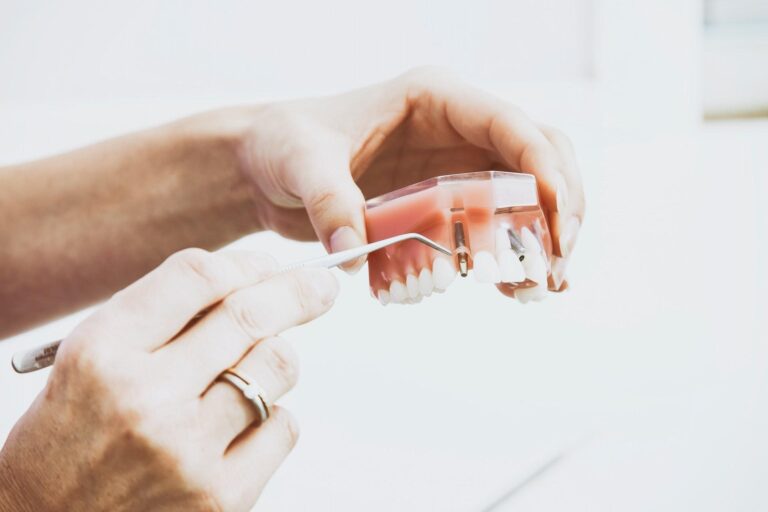
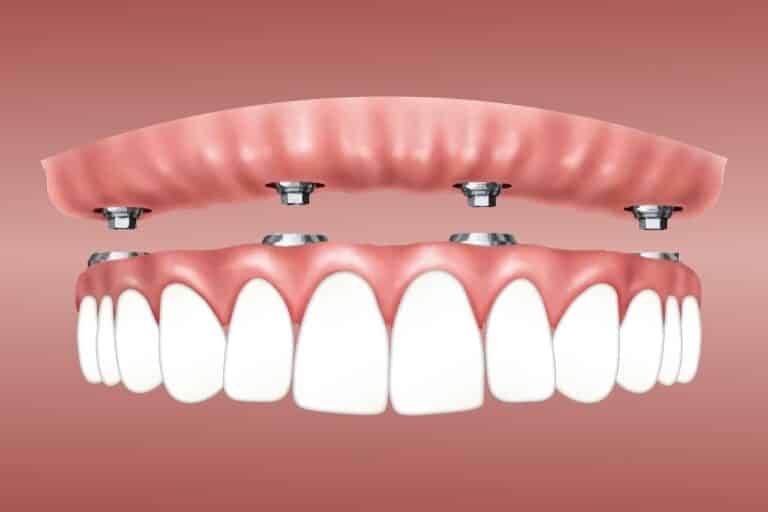
To understand why this matters, know the stakes: a single dental implant, meaning the post, abutment, and crown together, typically runs roughly $3,500 to $6,500 in the United States, and more if you also need an extraction or bone graft. That is why chasing a nonexistent “grant” wastes time you could spend on the real cost-cutting routes below.
Does Indiana Medicaid Cover Implants?
Indiana Medicaid gives adults 21 and older a limited dental benefit capped at about $600 per year, which covers basic care but not implants, since implants are elective and fall outside the covered scope. Even the annual cap would not stretch to cover an implant. Children on Medicaid get comprehensive dental. So for an adult wanting an implant, Medicaid is not the answer, and the options below are where real savings come from.
Dental School Implant Clinics in Indiana
Indiana has one dental school: the Indiana University School of Dentistry in Indianapolis, which runs a graduate prosthodontics clinic and an implant center where supervised residents place and restore implants at reduced fees. A referral is often required, and appointments take longer than a private office, but the savings can be substantial. Call the school to confirm current services and fees.
Implant Research Studies
As an academic center, the IU School of Dentistry periodically recruits patients for implant research studies that can reduce or eliminate the cost for those who qualify. Availability changes over time, so search ClinicalTrials.gov for recruiting dental implant studies in Indiana and ask the school whether a current study matches your needs.
Free Care Through Donated Dental Services
For Indiana adults who are elderly, disabled, or medically fragile, Donated Dental Services through the Dental Lifeline Network arranges free comprehensive treatment with volunteer dentists. It is aimed at people who cannot afford care and have no other option. Note that implants are rarely provided and only in unusual medically necessary cases, since the program focuses on essential care like extractions, fillings, and dentures. Still, if you qualify, it can resolve the underlying dental problem at no cost.
Financing and Lower-Cost Alternatives
If you must pay privately, a few things help. Ask the office about an interest-free payment plan or a self-pay discount, and compare healthcare credit options like CareCredit, reading the interest terms carefully since deferred-interest plans get expensive if not paid in full on time. A dental savings plan can discount fees at participating dentists. And ask your dentist whether a bridge or a partial denture would meet your needs for far less, since an implant is not the only way to replace a missing tooth.
A Practical Order to Try in Indiana
Work through these in order. First, confirm whether your Medicaid plan covers any part of the work, even if not the implant itself. Contact a dental school clinic for reduced-cost implant care, and ask about research studies that may cut the price further. If you are elderly, disabled, or medically fragile, apply to Donated Dental Services. Use financing or a lower-cost alternative as a last resort. For related help, see our guide to charities that help with medical bills.
How Much Do Dental Implants Cost?
Knowing the real cost helps you plan and compare offers. A single implant is a multi-part expense.
A single dental implant, meaning the post, the abutment, and the crown, typically runs roughly $3,500 to $6,500. You may pay more if you also need an extraction or a bone graft. Prices in Indiana vary by provider and case. Getting written quotes from more than one clinic lets you compare fairly.
Consider a Dental Discount Plan
A dental discount plan can lower what you pay, even for implants. It is not insurance, but a membership.
For an annual fee, these plans give you reduced rates at participating dentists. Unlike insurance, there is usually no waiting period or annual maximum. Savings vary, so check whether implant providers near you accept a plan. For a large expense like an implant, even a modest discount helps.
Indiana Implant Grant FAQs
Are there real dental implant grants for individuals in Indiana?
Rarely if ever as a cash grant. The real help is dental school clinics, research studies, Donated Dental Services, and financing.
Does Indiana Medicaid pay for implants?
No. Implants are excluded as elective even where other adult dental is covered. See the Medicaid section above.
How much can a dental school clinic save me?
Often a meaningful fraction off private-practice fees, because supervised students and residents provide the care. Appointments take longer in exchange.
Can a research study give me a low-cost implant?
Sometimes. Implant studies can offer reduced-cost or free implants, but they have strict eligibility rules and long follow-up requirements.
Who qualifies for Donated Dental Services?
Adults who are elderly, permanently disabled, or medically fragile, who cannot afford care and have no other option. Implants are rarely included.
Is an implant my only option for a missing tooth?
No. A bridge or partial denture can replace a missing tooth for far less, so ask your dentist to compare options.
Program availability, eligibility rules, deadlines, and award amounts can change, and submitting an application does not guarantee funding.